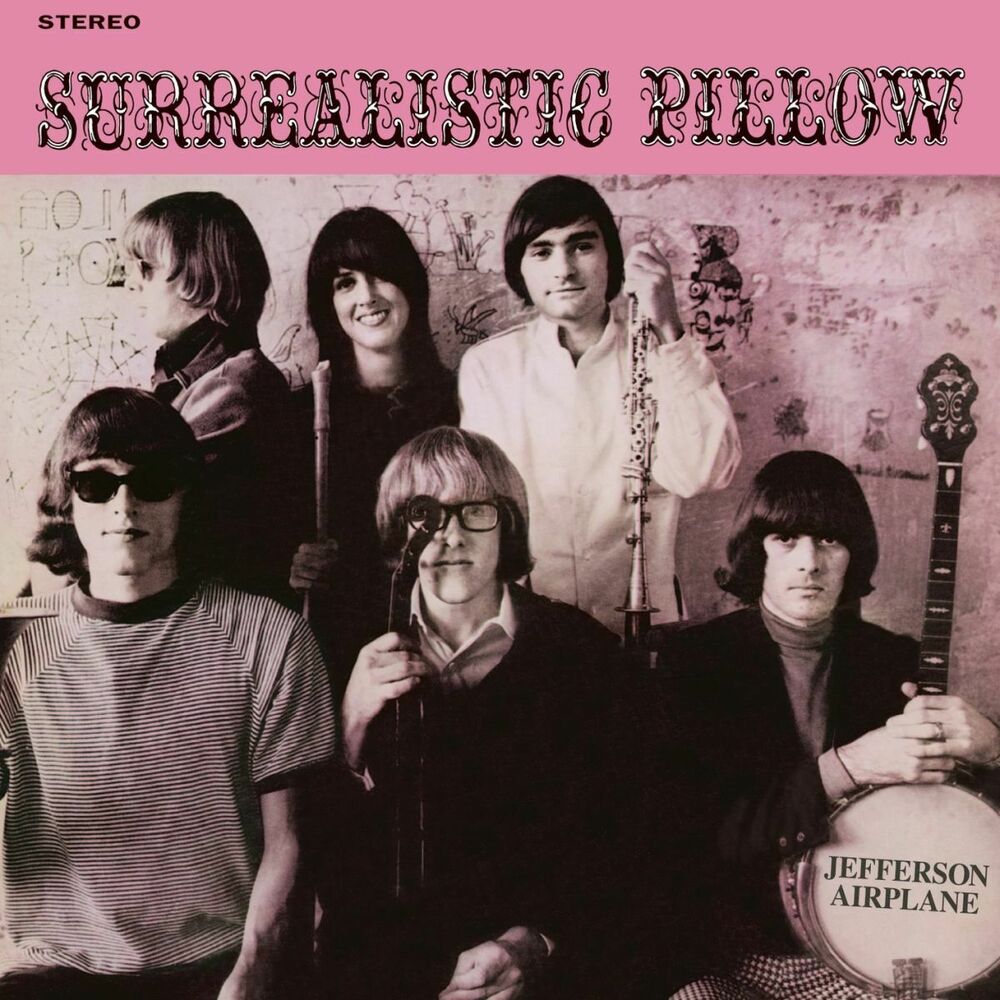
A mere two weeks after Grace Slick joined the band, the group entered RCA Victor studios in Hollywood on October 31 to record their second album. Working with producer Rick Jarrard, the group recorded album opener "She Has Funny Cars" featuring Jack Casady on fuzz bass and the mellow folk-rocker "My Best Friend", written by departed member Skip Spence and chosen as the album's lead-off single. On November 1 they recorded Balin's "Plastic Fantastic Lover", his ode to a television set penned after a visit to a plastics factory in Chicago while the band was on tour. This was followed the next day by his love ballad "Today", which purportedly featured Jerry Garcia on lead guitar, laid down in a single take and soon to be a popular live staple. On November 3 a Slick composition she brought from her time in The Great Society, "White Rabbit", was recorded with its original instrumental introduction drastically shortened for commercial purposes; it was among the first explicitly pro-drug rock songs and would go on to become her signature piece, used in countless movies and TV shows since. On the next day the Balin rocker "3/5 of a Mile in 10 Seconds", which the band had already been featuring in its shows since September, was committed to tape. Marty claimed the title came from seeing two different phrases in the sports section of the newspaper, one for "3/5 of a mile" and another for "10 seconds", which he combined at random. The high price of "real clean, real fine nicotine" in the lyrics was a veiled reference to marijuana.
After a short break to play some gigs the group reconvened at RCA on November 14 to record another Spence composition, "J.P.P. McStep B. Blues", which was ultimately left in the can; the group would sporadically play it on stage, sometimes in a medley with the later "Wooden Ships". Spence was present for this session, which also saw the recording of The Mamas & the Papas soundalike "How Do You Feel" written by Kantner friend Tom Mastin. On the following day "Somebody to Love", another song from the Great Society penned by Slick's brother-in-law Darby and given a new, punchier arrangement by Garcia, was captured in 13 takes along with Kantner's chiming, Byrdsian folk-rocker "D.C.B.A.-25" (the title referring to the song's chord progression, with the number 25 an oblique reference to LSD-25). On November 16, the band recorded Balin's "Comin' Back to Me", a gentle acoustic-baroque ballad penned that very day after having smoked a particularly strong joint given to him by Paul Butterfield and featuring only himself, Casady, and Garcia plus Slick on recorder, as they were the only musicians left in the studio that night." Two outtakes, the driving Kantner-Estes acid-rocker "Go to Her" (which had also been attempted for the debut album) and slow Kaukonen blues "In the Morning", were taped on the 17th and 21st with the album's final song, the acoustic fingerpicking showcase "Embryonic Journey" penned by Kaukonen some five years prior, added on November 22 at the insistence of Jarrard.
As producer, Jarrard was under orders by RCA to produce something commercial, so none of the longer covers and psychedelic instrumental jams the group had been featuring on stage, such as "Fat Angel", "Thing", and "The Other Side of This Life", were attempted. He forbade the group to smoke marijuana at the sessions, an edict that was ignored and which contributed to the group not re-hiring him for subsequent albums; they disparaged him behind his back as a company man, although Slick stated she was "knocked out" when she heard the final product. Jarrard also bathed the stereo mix of the album in swathes of reverb, a controversial choice which has led some to prefer the drier mono mix.
Some controversy exists as to the role of Garcia in the making of the album. His reputed presence on several tracks is denied by producer Jarrard, but he is credited on the RCA label copy and received credits on the Flight Log compilation and the Jefferson …