About the artist
The Beatles were an English rock band from Liverpool, regarded as the most influential band in popular music. They revolutionised recording, songwriting, and artistic presentation, incorporating diverse styles from skiffle to psychedelia and classical music. They were integral to the development of 1960s counterculture and the recognition of popular music as an art form.
About the album
Sgt. Pepper's Lonely Hearts Club Band is the Beatles' eighth studio album, loosely conceptualised as a performance by a fictional band. This allowed them to experiment musically, incorporating influences from vaudeville to Indian classical music. It was meticulously crafted in the studio, marking a shift from live performance.
Meanings
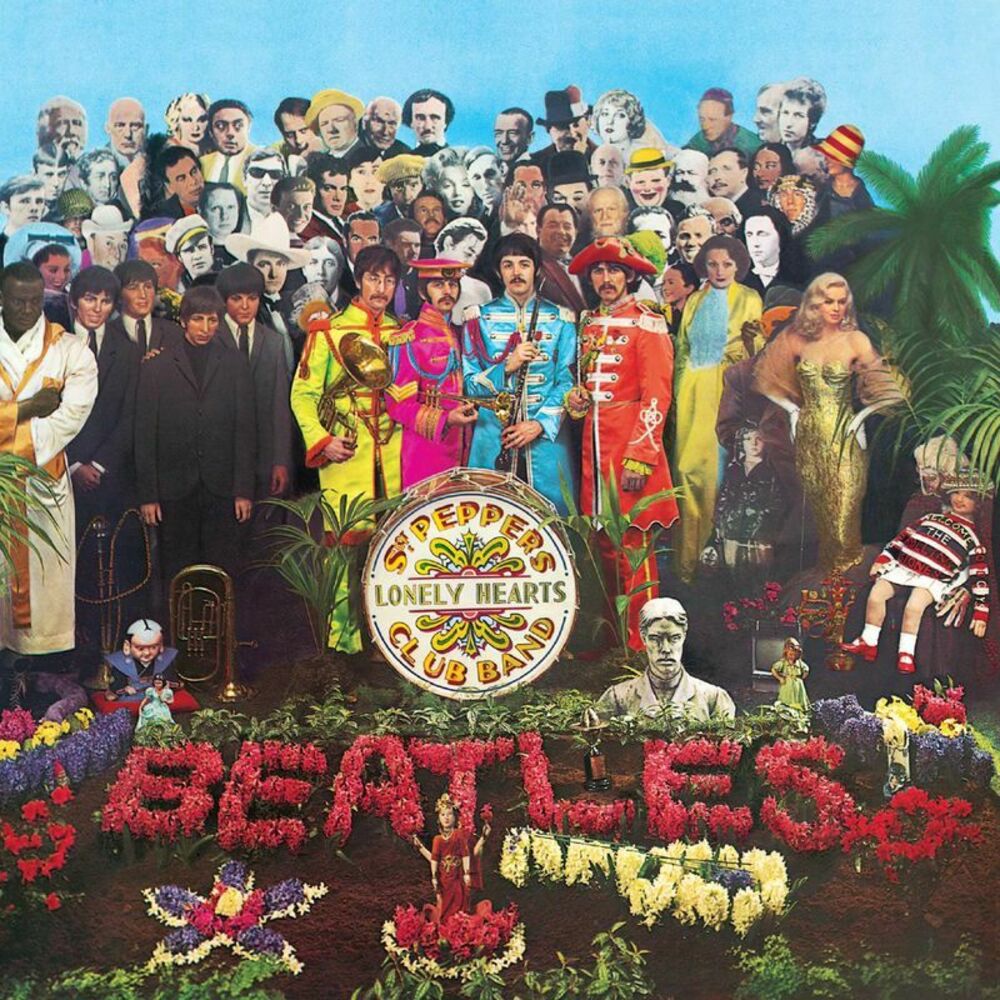
The album's central concept involves a fictional band, Sgt. Pepper's Lonely Hearts Club Band, which freed the Beatles to explore new musical directions beyond their established image. The iconic cover, a collage of celebrities and historical figures, symbolised the era's cultural landscape and the blurring lines between high and low art.
Why it's rated so high
Critics lauded Sgt. Pepper for its innovations in songwriting, production, and graphic design, bridging popular music and high art. It achieved full cultural legitimisation for popular music, becoming a defining moment that heralded the album era and the 1967 Summer of Love.
Career and historical context
Following their retirement from touring in 1966, the Beatles embraced individual interests and a new studio-focused approach. This album marked a period of intense experimentation, influenced by albums like the Beach Boys' Pet Sounds and the Mothers of Invention's Freak Out!.
Fun facts
- The final piano chord of "A Day in the Life" rings for over 40 seconds.
- The album cover features cardboard cut-outs of Marilyn Monroe, Bob Dylan, Karl Marx, and Edgar Allan Poe.
- The Beatles' moustaches on the cover were inspired by George Harrison's disguise during a trip to India.
- The decision to exclude "Strawberry Fields Forever" and "Penny Lane" from the album was later called the biggest mistake of producer George Martin's professional life.
- The cover art cost nearly £3,000, an extravagant sum compared to the typical £50 for album covers at the time.