About the artist
Bob Dylan is an American singer-songwriter, described as one of the greatest songwriters of all time, who has been a major figure in popular culture for over 69 years. He infused folk music with sophisticated lyrical techniques, incorporating political, social, and philosophical influences that appealed to the burgeoning counterculture.
About the album
Highway 61 Revisited is Bob Dylan's sixth studio album, released in 1965, marking his full electric statement with driving, blues-based rock. It was largely recorded in two blocks of sessions, produced by Tom Wilson and then Bob Johnston, featuring rock musicians on every track except the closing ballad.
Meanings
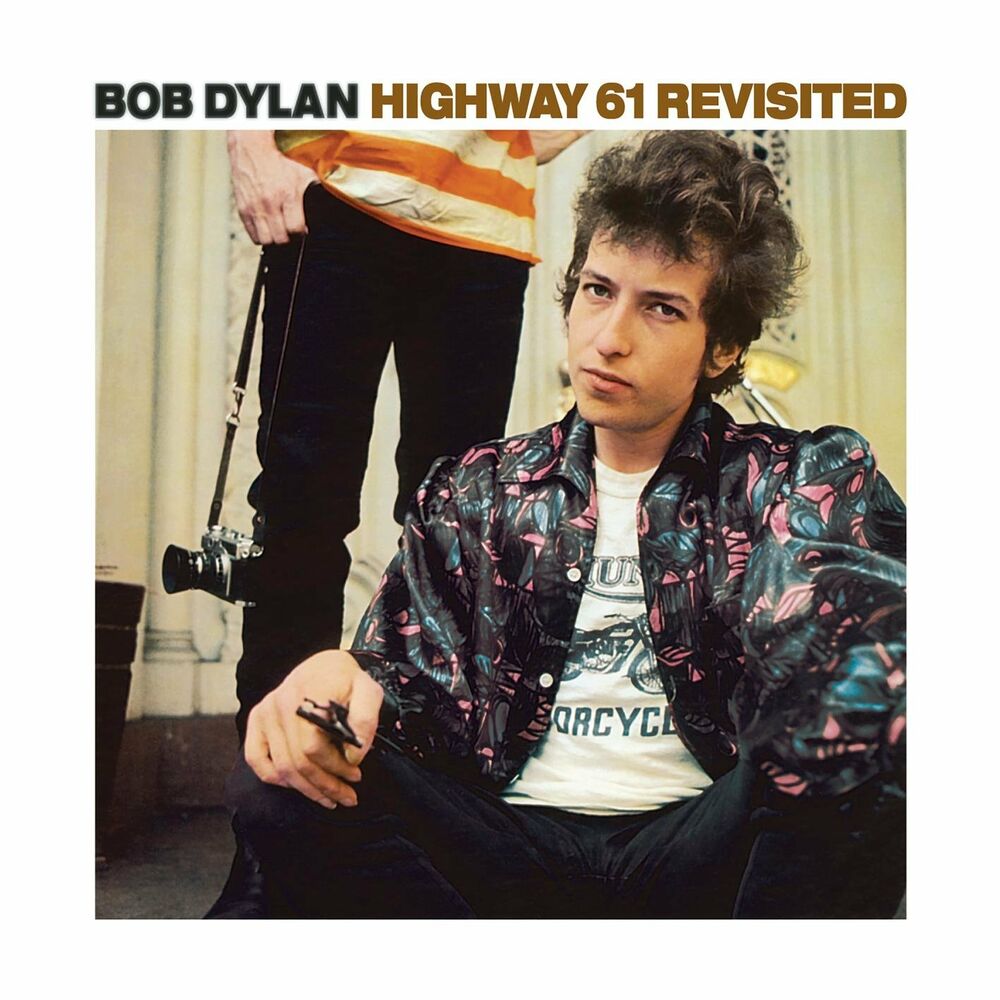
The album's lyrics are surreal, angry, and funny, using subtle poetry to capture the political and cultural climate of contemporary America. The title refers to the real Highway 61, connecting Dylan's Minnesota birthplace to southern cities famed for their musical heritage, including New Orleans. The cover art, photographed by Daniel Kramer, shows Dylan with a 'hostile moodiness'.
Why it's rated so high
Highly acclaimed as one of Dylan's best works and among the greatest albums of all time, it ranked #19 on The Highest Rated Albums of All Time. Critics praised its revolutionary fusion of electrical music with poetic lyrics, expanding commercial and creative boundaries in popular music and inspiring a songwriting revival.
Career and historical context
This album followed Dylan's controversial use of electric instrumentation on Bringing It All Back Home, solidifying his departure from acoustic folk. It was released shortly after his electric set at the Newport Folk Festival, where he faced booing, and is considered by some to have 'started' the 1960s in an important sense.
Fun facts
- Al Kooper improvised the famous organ part on 'Like a Rolling Stone' despite never having played electric organ before.
- Highway 61 is a real road running from Dylan's home state of Minnesota to New Orleans, connecting musical heritage sites.
- Dylan wrote 20 pages of verse he called a 'long piece of vomit' before distilling it into 'Like a Rolling Stone'.
- The album's cover features Dylan's friend Bob Neuwirth partially visible behind him, holding a Nikon SP camera.
- Dylan contributed freeform, surrealist prose to the back cover, similar to his experimental novel Tarantula.