Sign in to mark it as listened, rate it and keep notes.
About the artist
Bob Marley and the Wailers were a groundbreaking Jamaican ska, rocksteady, and reggae band, originally formed by Bob Marley, Peter Tosh, and Bunny Wailer. After Tosh and Wailer departed in 1974, Marley continued with a new lineup, becoming a pivotal figure in global music.
About the album
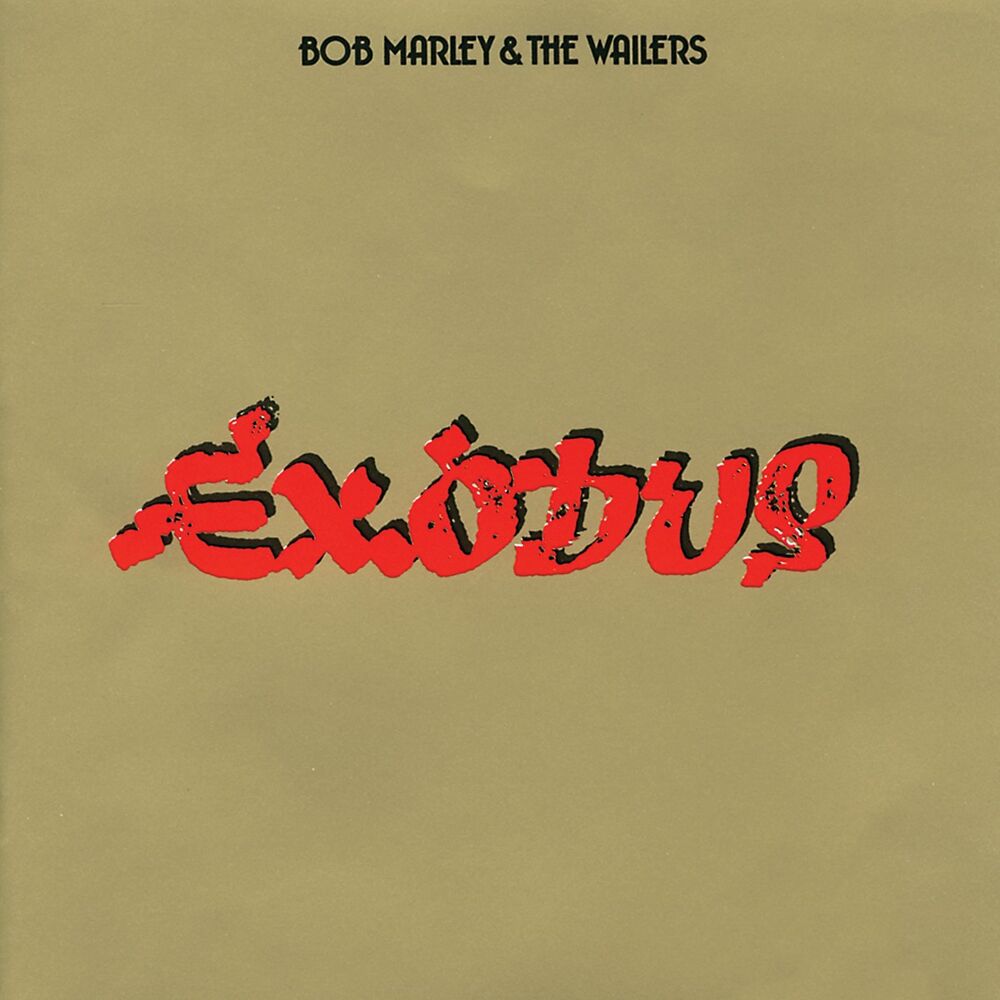
Exodus is the ninth studio album by Bob Marley and the Wailers, released in June 1977, featuring a laid-back production with pulsating bass and prominent piano, trumpet, and guitar. It was recorded in London after an assassination attempt on Marley in Jamaica.
Meanings
The album thematically explores change, religious politics, and sexuality, moving away from previous cryptic storytelling. It is divided into two halves, with the first focusing on religious politics and the second on themes of love and faith. The title track, "Exodus", was written amidst Jamaican political unrest.
Why it's rated so high
Exodus was a critical and commercial success, earning gold certifications and propelling Marley to international stardom. Time magazine named it the best album of the 20th century, and Rolling Stone ranked it #48 on its 2020 list of the 500 greatest albums.
Career and historical context
This album followed Marley's US breakthrough, Rastaman Vibration, and was created during a tumultuous period. An assassination attempt on Marley in December 1976 led him to leave Jamaica and record the album in London.
Fun facts
Marley conceived the album title "Exodus" before writing the song itself.
The title track became a number one hit in Jamaica, the UK, and Germany.
Exodus remained in the UK charts for 56 consecutive weeks, peaking at number 8.
More tracks from Exodus appear on Marley’s greatest hits compilation Legend than from any other record.
The album's musical style was considered different from what was prominent in Jamaica at the time.
Written by AI from the album's and artist's Wikipedia articles and the archive's notes. Double-check anything important.
The full story
Exodus is the ninth studio album by Jamaican reggae band Bob Marley and the Wailers, first released in June 1977 through Island Records, following Rastaman Vibration (1976). The album's production has been characterized as laid-back with pulsating bass beats and an emphasis on piano, trumpet and guitar. Unlike previous albums from the band, Exodus thematically moves away from cryptic story-telling; instead it revolves around themes of change, religious politics, and sexuality. The album is split into two halves: the first half revolves around religious politics, while the second half is focused on themes of making love and keeping faith.
On 3 December 1976, an assassination attempt was made on Bob Marley's life in which his chest was grazed and his arm was struck with a bullet, but he survived. Following the assassination attempt, Marley left Jamaica and moved to London, where Exodus was recorded.
The album was a success both critically and commercially; it received gold certifications in the US, UK and Canada, and was the album that propelled Marley to international stardom. In 2017, Exodus was remastered and re-released for its 40th anniversary. There are more tracks from Exodus on Marley’s greatest hits compilation Legend than from any of his other records. Exodus was his tenth album since the debut album The Wailing Wailers in 1965, including the live album Live! (1975).
Background
In 1974, two of the original Wailers, Peter Tosh and Bunny Wailer, left the band. The band continued releasing material as "Bob Marley & The Wailers," as had sometimes been the case in the Lee Perry era (as with the Soul Rebels and Soul Revolution LPs). His current backing band included brothers Carlton and Aston "Family Man" Barrett on drums and bass respectively, Al Anderson and Junior Marvin on lead guitar, Tyrone Downie and Earl "Wya" Lindo on keyboards, and Alvin "Seeco" Patterson on percussion. The I Threes, consisting of Judy Mowatt, Marcia Griffiths, and Marley's wife Rita Marley provided backing vocals. In 1975, Marley had his international breakthrough with his first hit outside Jamaica, "No Woman, No Cry", from the Natty Dread album. This was followed by his breakthrough album in the United States, Rastaman Vibration (1976), which became the 48th best-selling album on the Billboard Soul Charts in 1978.
Conception
Marley had conceived "Exodus" as the album title before even writing the song.
In December 1976, Jamaica was going through elections, generating substantial political discourse. In his campaign, Prime Minister Michael Manley used the campaign slogan "We know where we're going." In response Marley wrote "Exodus", which is the title track of the album. The song became a No. 1 hit in Jamaica as well as the United Kingdom and Germany.
On 3 December 1976, while he was in his house in Jamaica, an assassination attempt on Marley's life drove him out of his native country: two days after the assassination attempt, Marley performed in the previously scheduled Smile Jamaica concert, then subsequently fled to England where he later recorded the song "Exodus". In addition to the assassination attempt on Marley, his wife Rita was also shot and survived.
Music
Exodus is a reggae album that features a "laid-back" production and a "stoned atmosphere that's simultaneously funky and political" according to Cam, an Emeritus from Sputnikmusic.
Cam described the album's musical style as being "different", noting that Marley's style of reggae was not what was prominent in Jamaica during the time, and that the album's music sounds unlike any reggae that came before its release. Emeritus continued to describe the album's sound as being rooted in the blues and soul, with elements of British Rock with a reggae "façade thrown on top" however Emeritus praised this saying "if Exodus was straight reggae, it probably wouldn't be as good as it is."
Exodus contains elements of pulsating bass beats, pianos and funk along with a "liquid-y bass", drumming and guitars with the inclusion of trumpets in the title track. Unlike previous albums Exodus lyrical content moves away from cryptic story-telling and instead is clearer and more straight forward, the lyrics touch upon themes of change, religious politics and sex. Vocally, Marley provides a minimalist approach, trying not to reach his falsettos.
The album's track listing is split over two halves; the first half features songs of religious politics and opens with "Natural Mystic", which is a slow tempo "fade up" song, followed by "So Much Things to Say", which was described by the BBC as being "exuberant" and features a reggae scat. The following two songs "Guiltiness" and "The Heathen" explore darker territory, before ending on the album's title track.
The second half of the album features songs revolving around sex and keeping faith.
Critical reception
Cam from Sputnikmusic gave the album five out of five stars, calling it a "classic". Emeritus praised the album's "laid-back tones" and commended Marley's vocals and lyrical content. As described by Rolling Stone magazine, Exodus is an album with "the magnificent rhythm section of Aston Barrett, bass, and Carlton Barrett, drums, and the spidery lead guitar of Julian "Junior" Marvin" contradicting the "flatness" of the material Marley has given them to work with
"Jamming", "Waiting in Vain", "One Love/People Get Ready", and "Three Little Birds" were all major international hits. Exodus peaked at number 20 on the Billboard 200 and at number 15 on the Black Albums chart, as well as remaining in the UK charts for 56 consecutive weeks, where it peaked at number 8.
In 1999, Time named Exodus the best album of the 20th century. In 2001, the TV network VH1 named it the 26th greatest album of all time. In 2003, the album was ranked number 169 on Rolling Stone magazine's list of the 500 greatest albums of all time, maintaining the rating in a 2012 revised list, and re-ranking at number 48 in a 2020 revised list.
Musicians
Bob Marley and the Wailers
Bob Marley: lead and backing vocals, guitars
Junior Marvin: electric guitars
Aston Barrett: basses
Carlton Barrett: drums
Tyrone Downie: synthesizer, electric piano, organ and backing vocals
Alvin "Seeco" Patterson: percussions
Additional personnel
Rita Marley, Marcia Griffiths, Judy Mowatt: backing vocals
David Madden: trumpet, horn arrangements
Vin Gordon: trombone
Glen Da Costa: saxophone
Neville Garrick: art direction