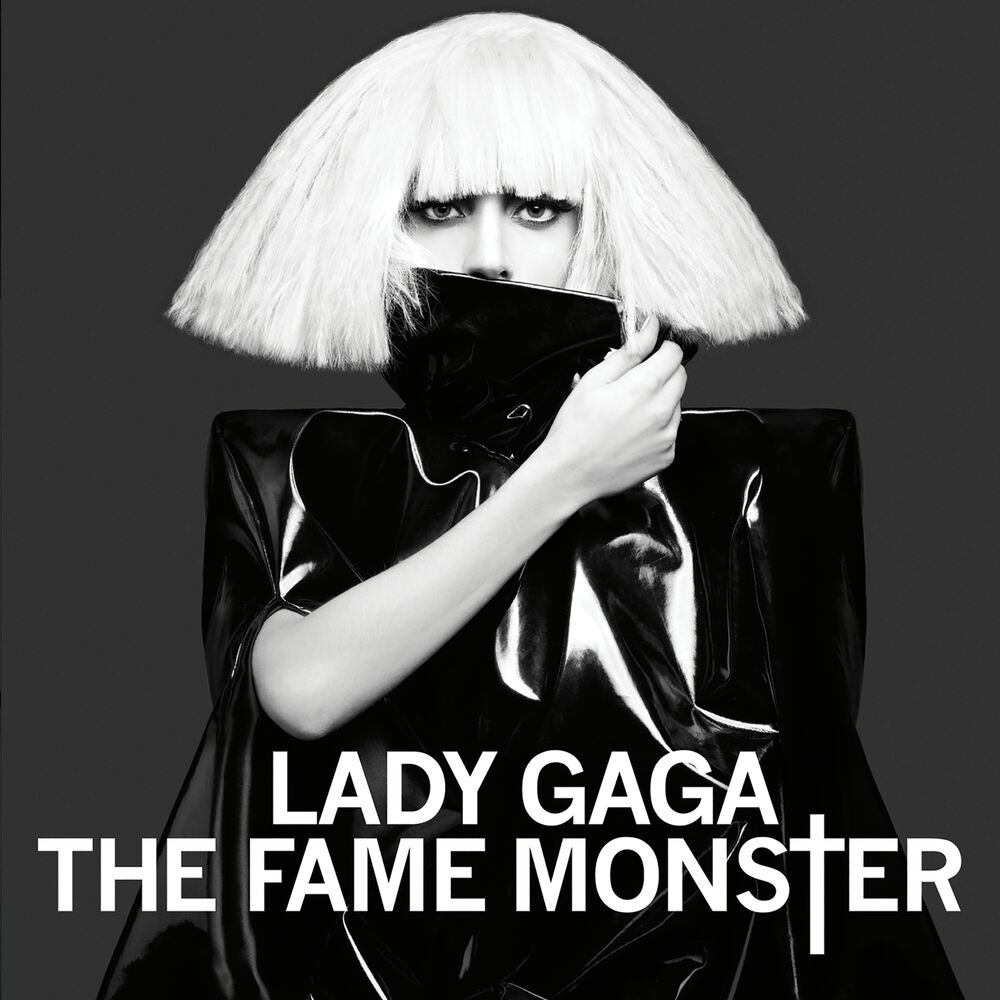
The standard edition of The Fame Monster contains eight tracks. The record showcases Gaga's taste for pastiche, drawing on "Seventies arena glam, perky ABBA disco, and sugary throwbacks like Stacey Q", according to Rolling Stone. Neil McCormick from The Daily Telegraph felt that while not as thematically unified as its predecessor, The Fame Monster had engaging songs composed by virtue of Gaga's "vivacious energy, bold melodies and almost comically relentless sensationalism". The lyrics contain zombie metaphors in songs like "Monster" ("He ate my heart..."), the Cossack-like music in "Teeth" ("Take a bite of my bad-girl meat..."), and "Dance in the Dark" ("Silicone, saline, poison, inject me..."). The last of those lyrics also refer to famous people who met a tragic end: Marilyn Monroe, Judy Garland, Sylvia Plath, Princess Diana, Liberace, and JonBenét Ramsey. Recording sessions were held in Los Angeles, London, Osaka, and Amsterdam. Four of the songs were primarily produced by RedOne, with additional productions on the other songs by Ron Fair, Fernando Garibay, Tal Herzberg, Rodney "Darkchild" Jerkins, Teddy Riley, and Space Cowboy. Gaga was the co-producer on all the tracks.
The Fame Monster begins with the track "Bad Romance", which Simon Price from The Independent felt set the tone for the album. He added that the track contained a "dominant atmosphere and a Gothic aesthetic, from the monochrome cover artwork of the single version to the crucifix logo". For Paul Lester from BBC, the refrain of "Bad Romance" has sonic similarities to songs by Boney M, and the composition is reminiscent of Depeche Mode's fifth studio album, Black Celebration (1986). A "catchy" chorus and a club-like beat is the crux of the song, talking about how love hurts in both good and bad ways. There is a sing-along hook—"Rah, rah, ah, ah, ah/Roma, roma ma/Gaga, ooh la la"—present in between the verses. The second track, "Alejandro", incorporates elements from music of ABBA and Ace of Base, with the lyrics talking about Gaga fending off a harem of Latino men. The lyrics were also interpreted as bidding farewell to a lover, accompanied by RedOne's production. "Monster" consists of stuttering synths and instrumentation from heavy drums. The intro contains a double four-square beat and Auto-Tune on Gaga's vocals as she sings the lyrics with a Don Juan womanizer metaphor.
The fourth track is the ballad "Speechless", a 1970s rock-inspired song that discusses abusive relationships with lyrics like "I can't believe how you slurred at me with your half-wired broken jaw". It consists of vocal harmonies and guitar riffs, which, according to PopMatters, is comparable to the work of Freddie Mercury and Queen. Gaga's inspiration for the track was her father's heart condition. She recalls how her father used to call after having a few drinks, but the singer was speechless in her response, fearing that he might die. Produced by Ron Fair, "Speechless" was recorded with all live instruments such as drums, guitars, bass and piano played by Gaga. The album's fifth track, "Dance in the Dark", talks about a girl who likes to have sex with the lights off as she is ashamed of her body. Gaga has "resolute" vocals in the song, and the synths ultimately lead to the chorus where she belts, "Baby loves to Dance in the Dark, 'Cause when he's looking she falls apart".
"Telephone" was originally written by Gaga for singer Britney Spears's sixth studio album, Circus (2008), but Spears' label rejected it. Gaga later recorded it as a collaboration with Beyoncé for The Fame Monster. The song talks about the singer preferring the dance floor rather than answering her lover's call, with the verses sung in a rapid-fire style, accompanied by a double beat. Gaga explained that the song deals with her fear of suffocation, "fear [of] never being able to enjoy myself. 'Cause I love my work so much, I find it really hard to go out and have a good time." In "So Happy I Could Die", Gaga …