About the artist
Curtis Mayfield, dubbed the "Gentle Genius," was an American singer-songwriter, guitarist, and producer. He is celebrated as one of the most influential musicians in soul and socially conscious African-American music. Mayfield first gained recognition with The Impressions, later embarking on a successful solo career.
About the album
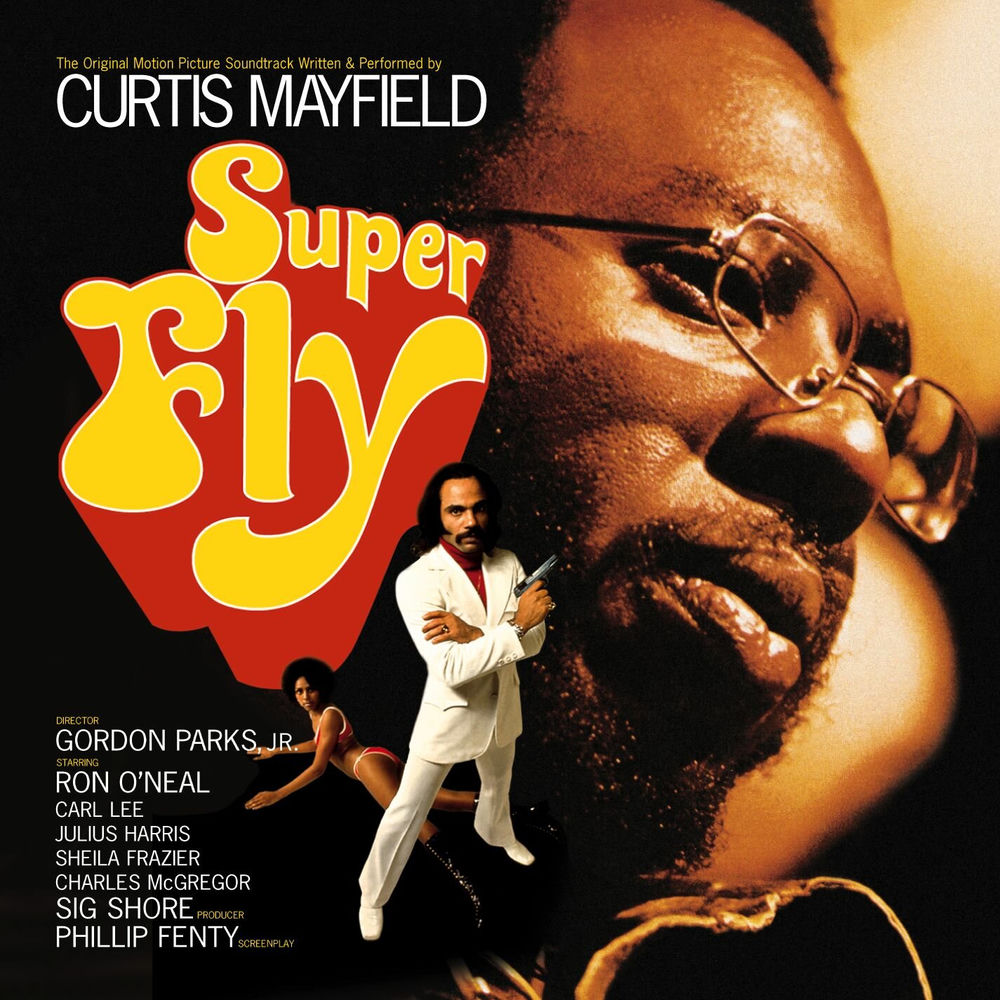
"Superfly" is Curtis Mayfield's iconic 1972 soundtrack for the blaxploitation film of the same name. Blending funk, Chicago soul, and psychedelic elements, the album created a distinctive soundscape. It was crafted to accompany the film, yet became a classic in its own right.
Meanings
The album powerfully addresses pressing issues faced by inner-city residents and racial minorities, such as crime, poverty, and drug abuse. The title track, "Superfly," celebrates the main character's resourcefulness and determination in navigating these challenging circumstances.
Why it's rated so high
Highly rated, "Superfly" is recognised for its musical innovation and enduring impact, ranking #118 on The Highest Rated Albums of All Time. Its distinctive basslines and percussion have been frequently sampled, influencing countless artists across various genres. Its legacy as a groundbreaking soundtrack and soul album is undeniable.
Career and historical context
Following his departure from The Impressions in 1970, "Superfly" marked a significant point in Mayfield's solo career. It emerged during a period where he continued to address social awareness, notably through the blaxploitation film genre, highlighting inner-city struggles.
Fun facts
- The album was ranked No. 72 in Rolling Stone's list of the "500 Greatest Albums of All Time" in 2003.
- The song "Superfly" reached No. 8 on the Billboard Hot 100 and No. 5 on the Best Selling Soul Singles chart.
- The bassline and rototom percussion from "Superfly" have been sampled by artists like Beastie Boys and The Notorious B.I.G.
- Mayfield himself sampled the original song in "Superfly 1990," a duet with rapper Ice-T.
- The album's themes primarily addressed issues affecting inner-city residents and racial minorities.