About the artist
John Lennon, the English musician, released this as his first solo album after the Beatles' break-up. He was backed by the Plastic Ono Band, featuring himself, Ringo Starr on drums, and Klaus Voormann on bass, creating a raw and intense sound.
About the album
This raw and intense album, co-produced by Lennon, Yoko Ono, and Phil Spector, was heavily influenced by Lennon's recent primal therapy. Recorded in late 1970, it marked his definitive musical statement following the Beatles' split.
Meanings
The lyrics deeply reflect Lennon's personal issues and psychological suffering, heavily influenced by his primal therapy. Themes include child-parent abandonment in 'Mother' and a powerful renunciation of external saviours in 'God', where he declares belief only in himself and Ono.
Why it's rated so high
Initially receiving mixed reviews, the album is now widely regarded as one of Lennon's finest solo works and a highly influential 'Primal Album'. It consistently ranks high on 'greatest albums' lists, praised for its raw honesty and expressive vocals.
Career and historical context
Released in December 1970, this album followed the Beatles' break-up and Lennon's intensive primal therapy with Arthur Janov. Its stark honesty and Lennon's accompanying interviews ended any hope of a Beatles reunion, solidifying his new artistic direction.
Fun facts
- Lennon called the album 'Sgt. Lennon', referencing the Beatles' 'Sgt. Pepper's Lonely Hearts Club Band'.
- A Billboard ad read 'Phil! John is ready this weekend' to locate co-producer Phil Spector.
- Ringo Starr and Klaus Voormann were disturbed by Lennon's emotional outbursts during recording sessions.
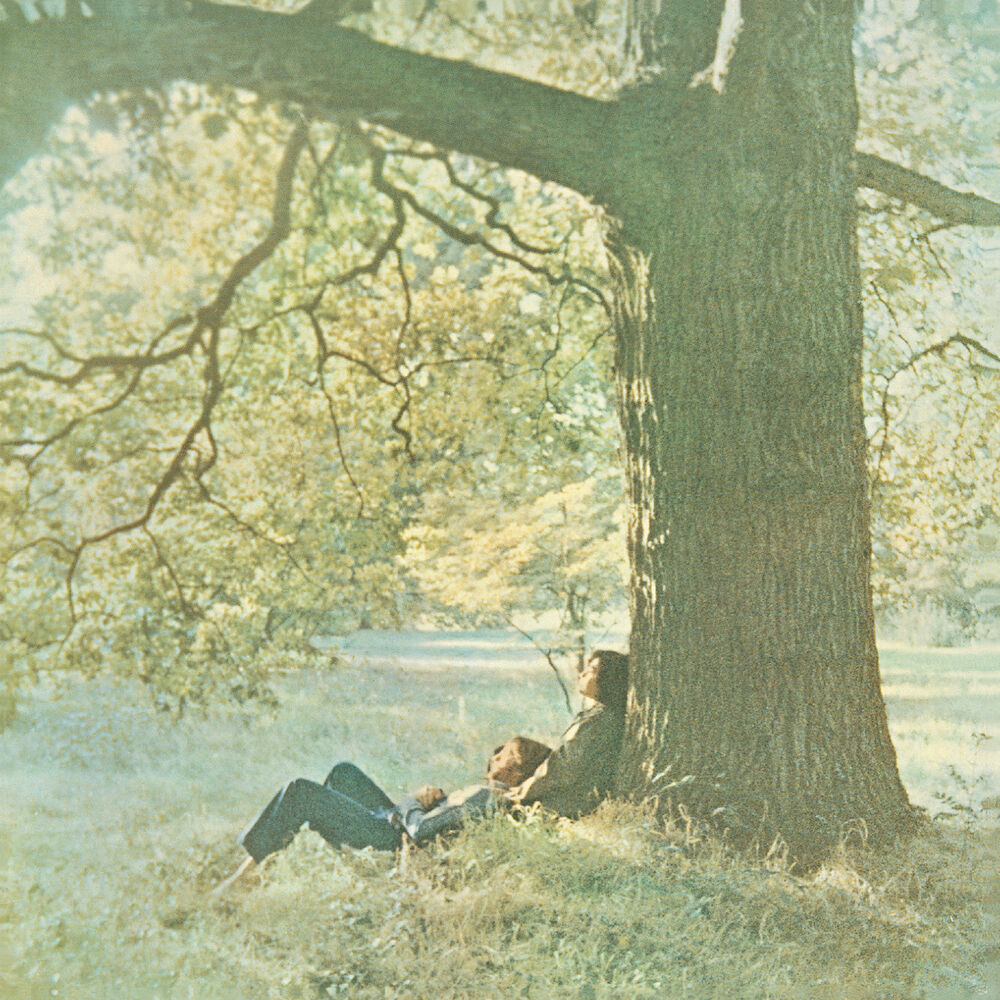
- The album cover is nearly identical to Yoko Ono's companion album, with her lying on Lennon's body.
- The UK release of 'Working Class Hero' bowdlerised the word 'fucking' with asterisks.