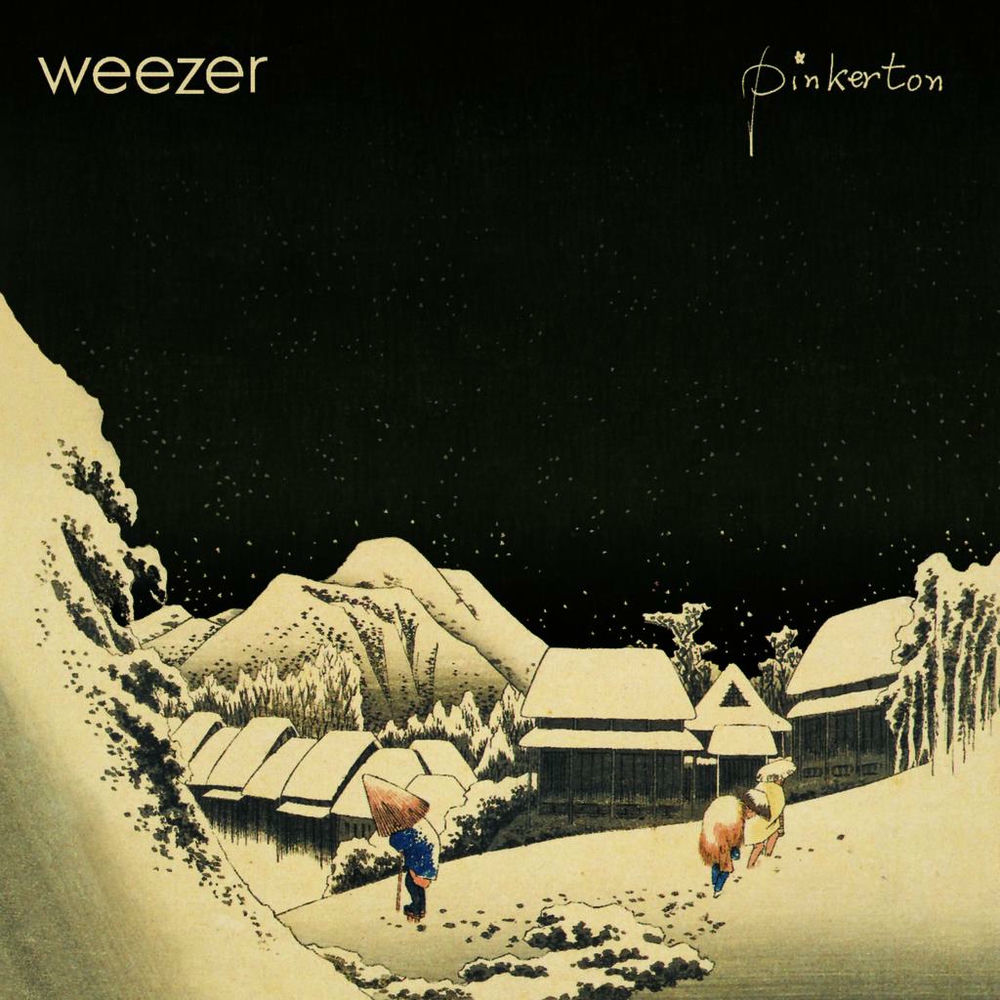
Cuomo was embarrassed by Pinkerton's reception and the personal nature of its songs. According to the Guardian, "For a long time, Cuomo talked about Pinkerton like it was his high school diary, a humiliating reminder of a time when he was unapologetically emotional and corny." In August 1997, Cuomo wrote in his diaries: "This has been a tough year. It's not just that the world has said Pinkerton isn't worth a shit, but that the Blue album wasn't either. It was a fluke ... I'm a shitty songwriter."
After the Pinkerton tour, Sharp left the band, and Weezer went on a hiatus. In the following years, Pinkerton amassed a cult following through internet word of mouth. A wave of mainstream emo bands including Jimmy Eat World, Saves the Day, Dashboard Confessional and Motion City Soundtrack began citing it as an influence. In 2001, Cuomo mentioned to David Geffen, the head of Geffen Records, that Pinkerton had "turned into a real phenomenon". Geffen responded that "cult phenomenon" was a euphemism for failure.
Cuomo told Rolling Stone in 2001: "The most painful thing in my life these days is the cult around Pinkerton. It's just a sick album, sick in a diseased sort of way." He told Entertainment Weekly:It's a hideous record ... It was such a hugely painful mistake that happened in front of hundreds of thousands of people and continues to happen on a grander and grander scale and just won't go away. It's like getting really drunk at a party and spilling your guts in front of everyone and feeling incredibly great and cathartic about it, and then waking up the next morning and realizing what a complete fool you made of yourself.
For Weezer's subsequent albums, Cuomo moved to simpler songwriting with less personal lyrics. Rolling Stone described Weezer's followup, the Green Album (2001), as the "anti-Pinkerton", with "squeaky-clean" production and album art that recalled Weezer's debut. Sharp sued Weezer in 2001 for songwriting royalties, including songs from Pinkerton.
Pinkerton's critical standing continued to rise, and it came to be considered among Weezer's best work by fans and critics. In 2002, Rolling Stone readers voted it the 16th-greatest album of all time. In 2003, Pitchfork gave Pinkerton a perfect score and named it the 53rd-greatest album of the 1990s. In 2004, Rolling Stone gave it a new review, awarding it five out of five and adding it to the Rolling Stone Hall of Fame. Over the following years, it appeared in best-of lists by publications including Spin and Drowned in Sound. By August 2009, Pinkerton had sold 852,000 copies in the US and was certified gold. In 2016, almost 20 years after its release, Pinkerton was certified platinum for sales of over one million copies in the US. That year, Alana Levinson of the Guardian wrote that Pinkerton's "conversational, confessional" lyrics were appropriate in the age of social media. In 2025, the staff of Radio X named Pinkerton one of the most disappointing follow-up albums and called it "a collection of rather mean-spirited songs".
By 2008, Cuomo had reconsidered the album, saying: "Pinkerton's great. It's super-deep, brave, and authentic. Listening to it, I can tell that I was really going for it when I wrote and recorded a lot of those songs." In 2010, Bell told The Aquarian Weekly: "Pinkerton has definitely taken on a life of its own and became more successful and more accepted … As an artist, you just have to do what you believe in at the time, whether it's accepted or not. You just have to keep going with it." That year, Weezer embarked on the Memories Tour, playing Blue and Pinkerton in their entirety. Cuomo said it was "validating" to see audiences sing along to Pinkerton songs after the rejection he felt performing them in the past.
Accolades