About the artist
David Bowie, the English singer, songwriter, and actor, was one of the 20th century's most influential musicians. Known as the 'chameleon of rock' for his frequent reinvention, his music, stagecraft, and fashion profoundly impacted popular culture.
About the album
'Low' is David Bowie's eleventh studio album and the first of his influential Berlin Trilogy, released in 1977. It's an art rock record exploring electronic and ambient styles, heavily influenced by German krautrock bands, featuring avant-pop song fragments on one side and longer, instrumental tracks on the other.
Meanings
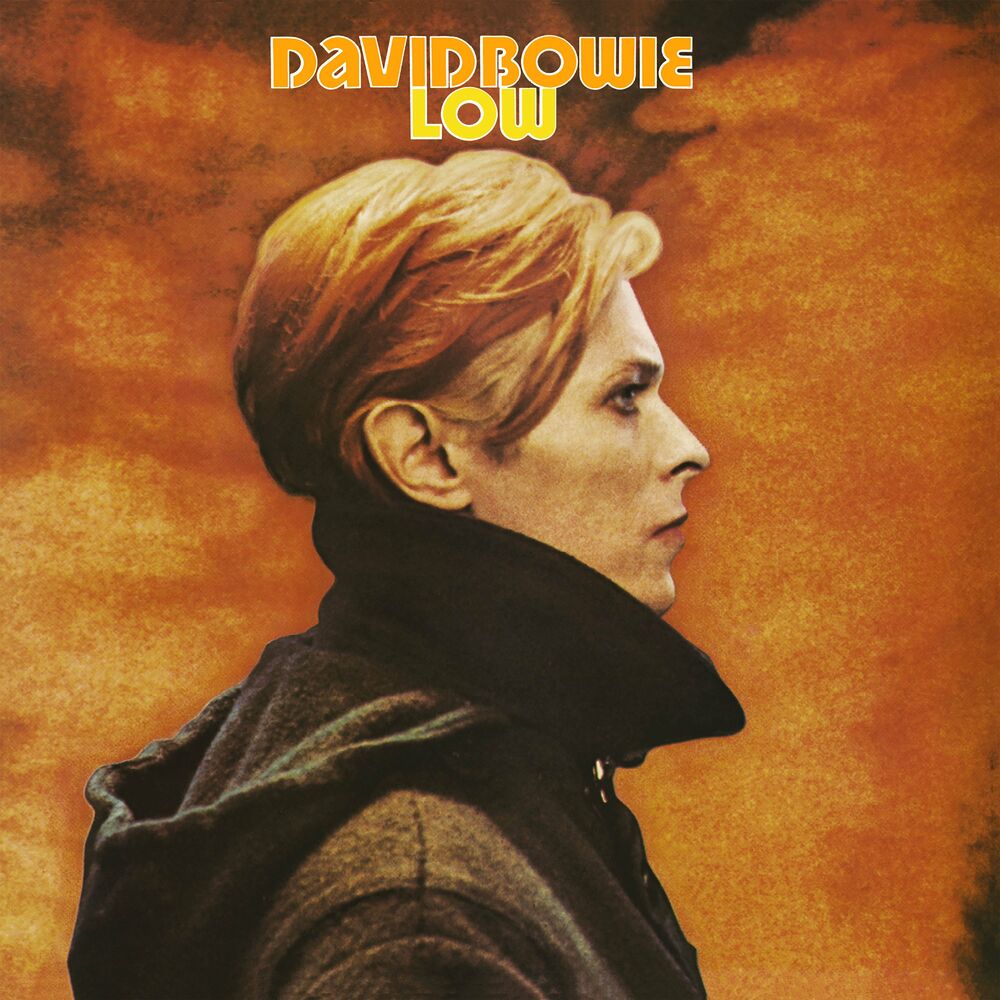
The album's downbeat lyrics reflect Bowie's state of mind during a period of recovery, while the instrumental pieces convey musical observations of Berlin. The cover artwork, a profile of Bowie from 'The Man Who Fell to Earth', was intended as a visual pun meaning 'low profile'.
Why it's rated so high
Initially dividing critics, 'Low' is now acclaimed as one of Bowie's best works and a forerunner of post-punk and post-rock. Its distinctive drum sound, created with an Eventide H910 Harmonizer, was widely imitated and influenced numerous bands like Joy Division and The Cure.
Career and historical context
This album marks a pivotal moment in Bowie's career, as he moved to France and then West Berlin with Iggy Pop to escape drug addiction and the Los Angeles spotlight. It was the first of his collaborations with producer Tony Visconti and musician Brian Eno, forming the iconic Berlin Trilogy.
Fun facts
- RCA Records initially refused to release 'Low' for three months, fearing it would be a commercial failure.
- Bowie opted to tour as Iggy Pop's keyboardist instead of promoting 'Low' upon its release.
- The distinctive drum sound was created using an Eventide H910 Harmonizer, a pitch-shifting device.
- Joy Division's original name, 'Warsaw', was a direct reference to the album's track 'Warszawa'.
- Bowie later expressed dismay at the widespread imitation of the 'depressive gorilla effect' drum sound.