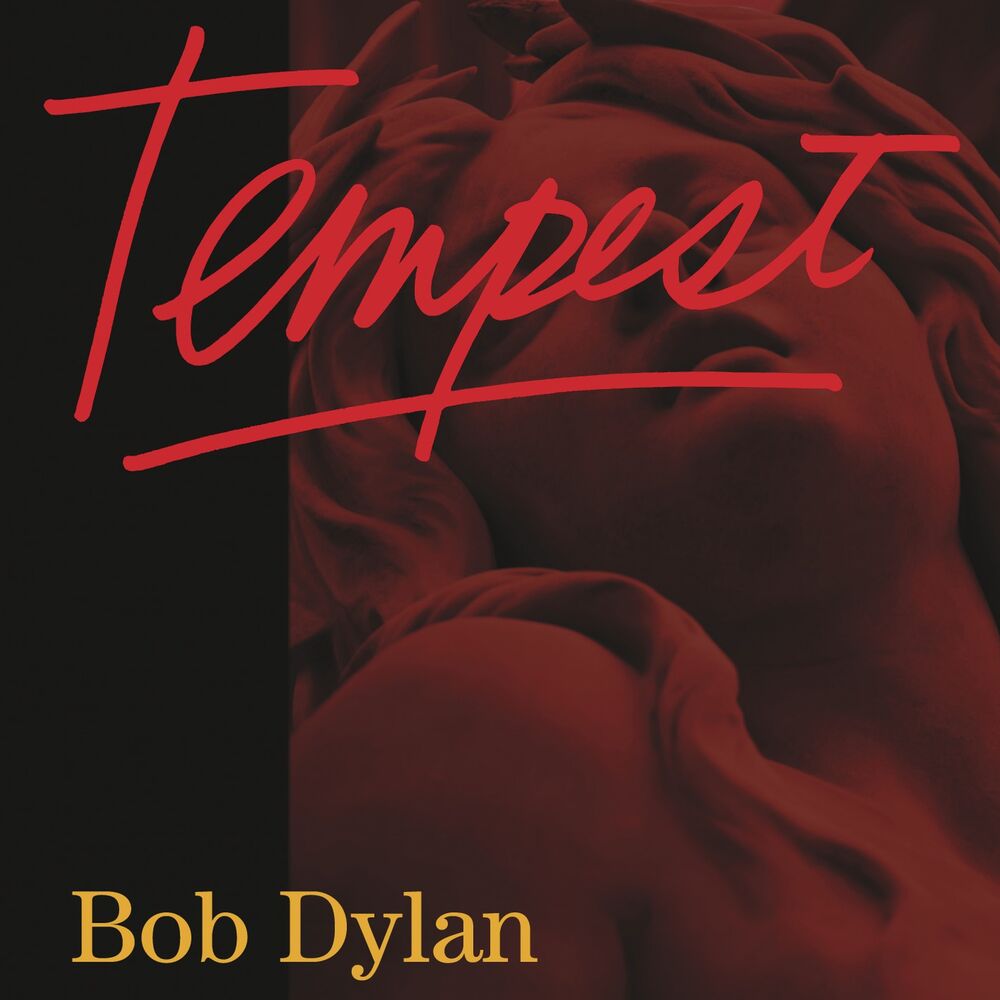
Tempest was widely acclaimed by contemporary music critics. At Metacritic, which assigns a normalized rating out of 100 to reviews from mainstream critics, the album received an average score of 83, which indicates "universal acclaim", based on 31 reviews. The album is often considered, along with 1997's "comeback album", Time Out of Mind, 2001's "Love and Theft", and 2006's Modern Times, as part of a string of critically acclaimed albums in late-Dylan's catalogue. Some even found it surpassing those other albums, such as Mojo Magazine, who in their review of Tempest opined, "Tempest is Dylan's best musical album of this century, a vibrant maximising of strict rules and the savaged-leather state of that voice". Likewise, Riboflavin of Tiny Mix Tapes felt that "Tempest's epic scale and grandeur makes his few previous albums look like short stories leading up to a great novel". Rob Brunner, reviewing the album for Entertainment Weekly, felt that "thirty-five albums in, Dylan remains as magical and mysterious as ever".
In his review in Rolling Stone magazine, Will Hermes gave the album five out of five stars, calling it "musically varied and full of curveballs" and "the single darkest record in Dylan's catalog". According to Hermes, the album draws upon elements common throughout Dylan's career—especially the last three albums—with music that is "built from traditional forms and drawing on eternal themes: love, struggle, death". Hermes continues:
Lyrically, Dylan is at the top of his game, joking around, dropping wordplay and allegories that evade pat readings and quoting other folks' words like a freestyle rapper on fire. "Narrow Way" is one of Dylan's most potent rockers in years, and it borrows a chorus from the Mississippi Sheiks' 1934 blues "You'll Work Down to Me Someday". "Scarlet Town" draws on verses by 19th-century Quaker poet and abolitionist John Greenleaf Whittier; and allusions to Louis Armstrong and the Isley Brothers pop up elsewhere.
Many critics praised the album for its dark lyrical nature and roots in "Old Weird America". David Edward expressed this in his review for Drowned in Sound stating, "The coherence of Tempest is the hypnotic key to its charm. Compressed together, the collection exudes a dark flow and a hidden, perilous depth." Likewise, in Magnet Magazine's review of Tempest, they felt that "Dylan has never been more deliberate or so overtly savage". Dougles Helesgrave likewise praised the album for its music sources and dark lyrics, stating:
Tempest is an album that works on many levels. Taken as sound or aural sculpture, the songs take the listener through a dark ramble through the back roads of American popular music. Every musical phrase, note, carries something that suggests more than itself. Each melody is weighed down with memory, reminding the listener of real and imagined pasts, old struggles, hinting that there’s a world rapidly slipping through our fingers, if it’s not already long gone.
In his review for American Songwriter, Jim Beviglia gave the album four and a half out of five stars, calling it "the kind of meaty offering that his most ardent fans desire most". Beviglia notes that the ambitious three-song run concluding the album "should silence any doubts, if they exist, that Dylan is still at the top of his game". "Tin Angel" tells a story of a lovers' triangle that turns into a "Shakespearean body pile, providing plenty of fodder for Dylanologists looking for symbols and hidden meanings". The title track, according to Beviglia, may be a metaphor for how mankind is "headed unknowingly toward an unfortunate fate" with Dylan examining how people react—"some nobly, some horribly, when put to the ultimate test". The closing track, "Roll on John", veers between biographical elements and Lennon song lyrics, presenting what Beviglia calls the "oft-overlooked soft side of Dylan" that is truly touching". Beviglia concludes:
Unlike the Titanic watchman fast asleep at his post, Bob Dylan's …