About the artist
Miles Davis was an American trumpeter, bandleader, and composer, among the most influential figures in jazz and 20th-century music. He pioneered numerous jazz styles, including cool jazz, modal jazz, and jazz fusion, with his legacy extending into rock, funk, classical, and hip-hop.
About the album
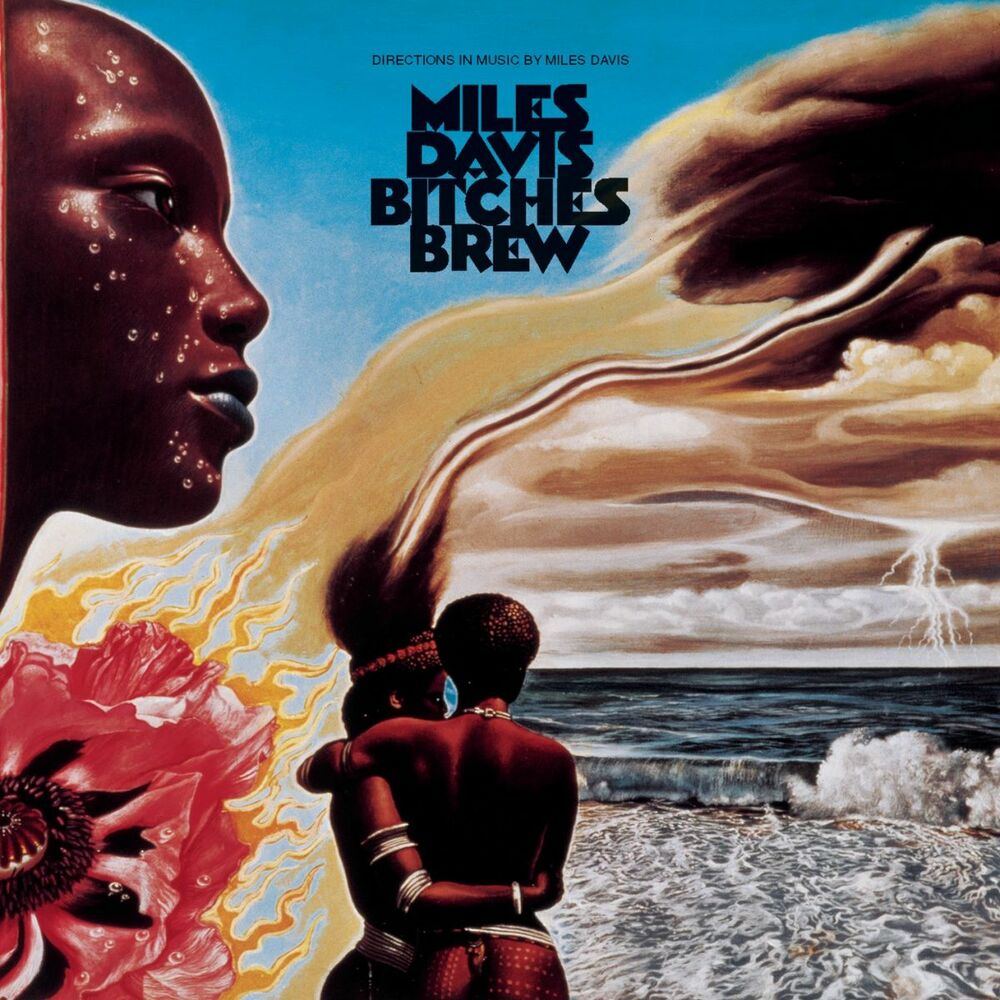
Bitches Brew is a seminal 1970 jazz fusion album, known for its experimental use of electric instruments and rock-influenced, improvisational arrangements. Producer Teo Macero extensively edited and pieced together the final tracks, pioneering the studio as a musical instrument.
Meanings
The origin of the album's title is not definitively known, though theories suggest it relates to women in Davis's life introducing him to 1960s cultural changes. The music itself is characterised by static harmonies and a large rhythm section, creating an open arena for improvisation.
Why it's rated so high
Initially receiving a mixed response, Bitches Brew became Miles Davis's highest-charting album and won a Grammy Award. It is now recognised as a progenitor of jazz rock, a major influence on rock and 70s crossover musicians, and is ranked #87 on Rolling Stone's 500 Greatest Albums of All Time.
Career and historical context
This album marked a significant point in Davis's electric period, further exploring the jazz fusion style he began with In a Silent Way. Influenced by contemporary rock and funk, its commercial success helped spark a resurgence in jazz's popularity, opening the music industry's eyes to jazz-oriented music.
Fun facts
- The album was recorded in just three days, from August 19-21, 1969.
- Legendary drummer Max Roach was a silent guest at the recording sessions.
- Miles Davis's voice can be heard on the title track, giving instructions to musicians.
- Miles did not perform on the short piece 'John McLaughlin'.
- 'Miles Runs the Voodoo Down' is the only track on the album that was not edited.