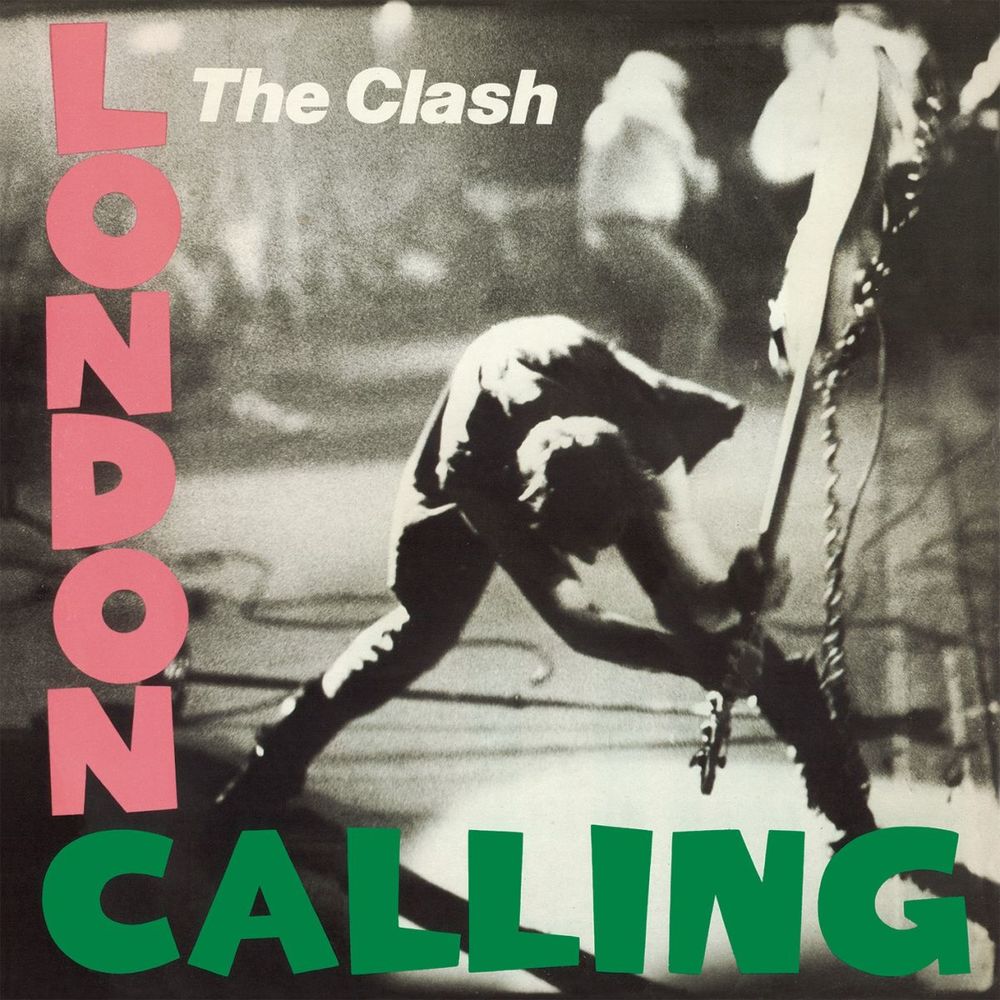
London Calling was met with widespread critical acclaim. Reviewing the album for The New York Times in 1980, John Rockwell said it finally validates the acclaim received by the Clash up to that point because of how their serious political themes and vital playing were retained in innovative music with a broad appeal. "This is an album that captures all the Clash's primal energy, combines it with a brilliant production job by Guy Stevens and reveals depths of invention and creativity barely suggested by the band's previous work", Rockwell said. Charles Shaar Murray wrote in NME that it was the first record to be on-par with the band's hype, while Melody Maker critic James Truman said the Clash had "discovered themselves" by embracing American music styles. Rolling Stone magazine's Tom Carson claimed the music celebrates "the romance of rock & roll rebellion", adding that it is vast, engaging, and enduring enough to leave listeners "not just exhilarated but exalted and triumphantly alive". In a five-star review, Down Beat journalist Michael Goldberg said the Clash had produced "a classic rock album which, literally, defines the state of rock and roll and against which the very best of [the 1980s] will have to be judged." Some reviewers expressed reservations, including DJ and critic Charlie Gillett, who believed some of the songs sounded like poor imitations of Bob Dylan backed by a horn section. Garry Bushell was more critical in his review for Sounds, giving the record two out of five stars while claiming the Clash had "retrogressed" to Rolling Stones-style "outlaw imagery" and "tired old rock clichés".
At the end of 1980, London Calling was voted the best album of the year in the Pazz & Jop, an annual poll of American critics published by The Village Voice. Robert Christgau, the poll's creator and supervisor, also named it 1980's best record in an accompanying essay and said, "it generated an urgency and vitality and ambition (that Elvis P. cover!) which overwhelmed the pessimism of its leftist world-view."
Reappraisal and legacy
London Calling has since been considered by many critics to be one of the greatest rock albums of all time, including AllMusic's Stephen Thomas Erlewine, who said that it sounded more purposeful than "most albums, let alone double albums". "This epic double album, from its iconic sleeve to its wildly eclectic mash-up of styles, is surely the quintessential rock album", wrote BBC Music journalist Mark Sutherland. In Christgau's Record Guide: The '80s (1990), Christgau called it the best double album since the Rolling Stones' Exile on Main St. (1972) and said it expanded upon, rather than compromised, the Clash's driving guitar sound in a "warm, angry, and thoughtful, confident, melodic, and hard-rocking" showcase of their musical abilities. According to the English music writer Dave Thompson, London Calling established the Clash as more than "a simple punk band" with a "potent" album of neurotic post-punk, despite its amalgam of disparate and occasionally disjointed musical influences. Don McLeese from the Chicago Sun-Times regarded it as their best album and "punk's finest hour", as it found the band broadening their artistry without compromising their original vigor and immediacy. PopMatters critic Sal Ciolfi called it a "big, loud, beautiful collection of hurt, anger, restless thought, and above all hope" that still sounds "relevant and vibrant". In a review of its 25th anniversary reissue, Uncut wrote that the songs and characters in the lyrics cross-referenced each other because of the album's exceptional sequencing, adding that "The Vanilla Tapes" bonus disc enhanced what was already a "masterpiece".
In 1987, Robert Hilburn of the Los Angeles Times named it the fourth-best album of the previous 10 years and said, while the Clash's debut was a punk masterpiece, London Calling marked the genre's "coming of age" as the band led the way into "fertile post-punk territory". In 1989, Rolling …