Sign in to mark it as listened, rate it and keep notes.
About the artist
Emmylou Harris, an American singer and songwriter, is a pivotal figure in country rock and Americana music. Her distinctive voice and musical style have earned critical acclaim, uniting both country and rock audiences.
About the album
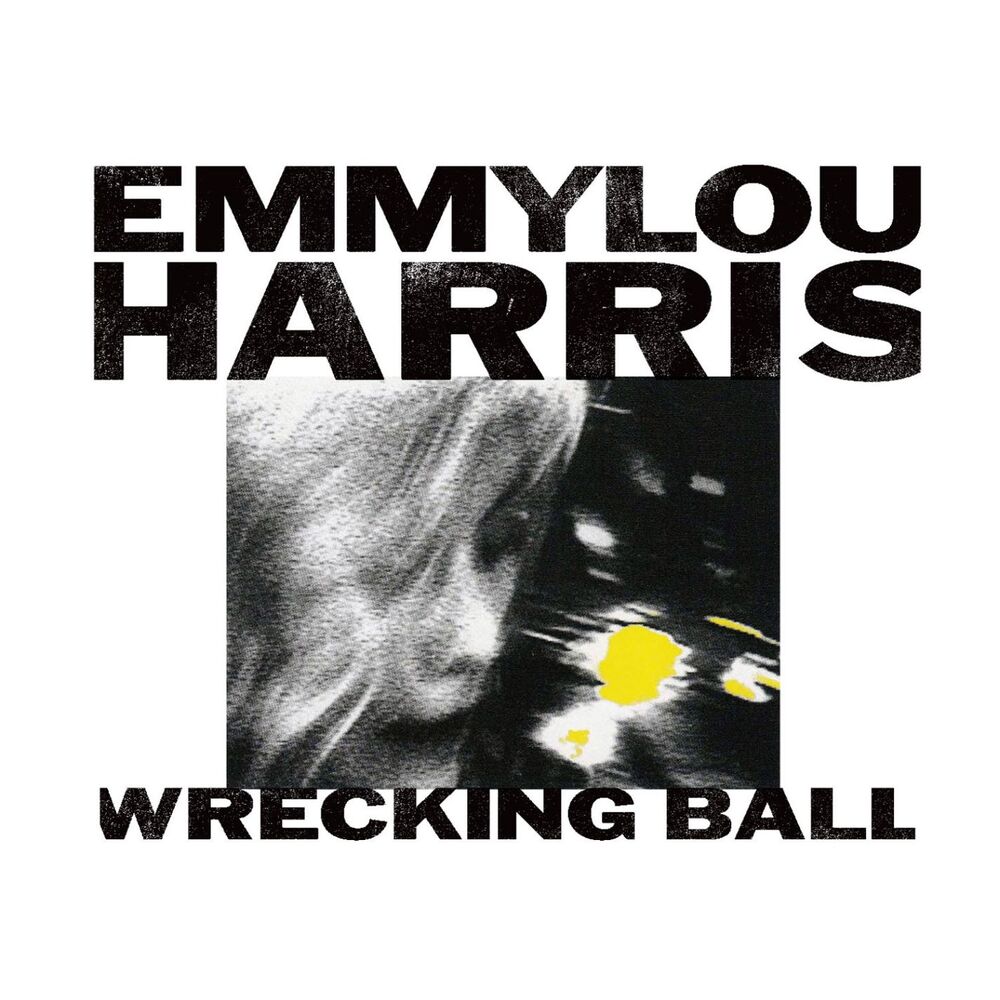
Wrecking Ball, her eighteenth studio album from 1995, marked a significant shift from Harris's traditional acoustic sound. Produced by Daniel Lanois, it is noted for its atmospheric feel and features guest artists like Neil Young.
Why it's rated so high
The album received nearly universal acclaim, appearing on many critics' year-end best-of lists. It won a Grammy Award for Best Contemporary Folk Recording and is considered a career-redefining work.
Career and historical context
Released in 1995, Wrecking Ball saw Harris, at 48, move in a new musical direction, departing from her traditional sound. It followed her critically praised live album, At the Ryman, and repositioned her career.
Fun facts
Emmylou Harris has sold over 15 million records worldwide and won 13 Grammy Awards.
She was inducted into the Country Music Hall of Fame in 2008.
The album features guest performances by Steve Earle, Larry Mullen Jr., and Neil Young.
Wrecking Ball was compared to Marianne Faithfull's Broken English and Johnny Cash's American Recordings.
Written by AI from the album's and artist's Wikipedia articles and the archive's notes. Double-check anything important.
The full story
Wrecking Ball is the eighteenth studio album by American country artist Emmylou Harris, released on September 26, 1995, through Elektra Records. Moving away from her traditional acoustic sound, Harris collaborated with producer Daniel Lanois and engineer Mark Howard. The album has been noted for its atmospheric feel, and featured guest performances by Steve Earle, Larry Mullen Jr., Kate & Anna McGarrigle, Lucinda Williams and Neil Young, who wrote the title song.
Background
Though her choice of songs had always been eclectic, the album was regarded as a departure. Harris, at the age of 48, had become something of an elder stateswoman in country music. The album received nearly universal acclaim, making many critics' year-end "best of" lists, and pointed Harris' career in a somewhat different direction where she would incorporate a harder edge. As a career-redefining album, Wrecking Ball was compared to Marianne Faithfull's 1979 Broken English album and Johnny Cash's American Recordings. Wrecking Ball won the 1996 Grammy Award for Best Contemporary Folk Recording.