Sign in to mark it as listened, rate it and keep notes.
About the artist
Bob Dylan, an American singer-songwriter from Minnesota, is celebrated as one of the greatest songwriters of all time. He revolutionised folk music in the 1960s by adding sophisticated lyrical techniques and infusing it with intellectualism, influencing popular culture for over 69 years. His work often explores political, social, and philosophical themes, defying pop conventions.
About the album
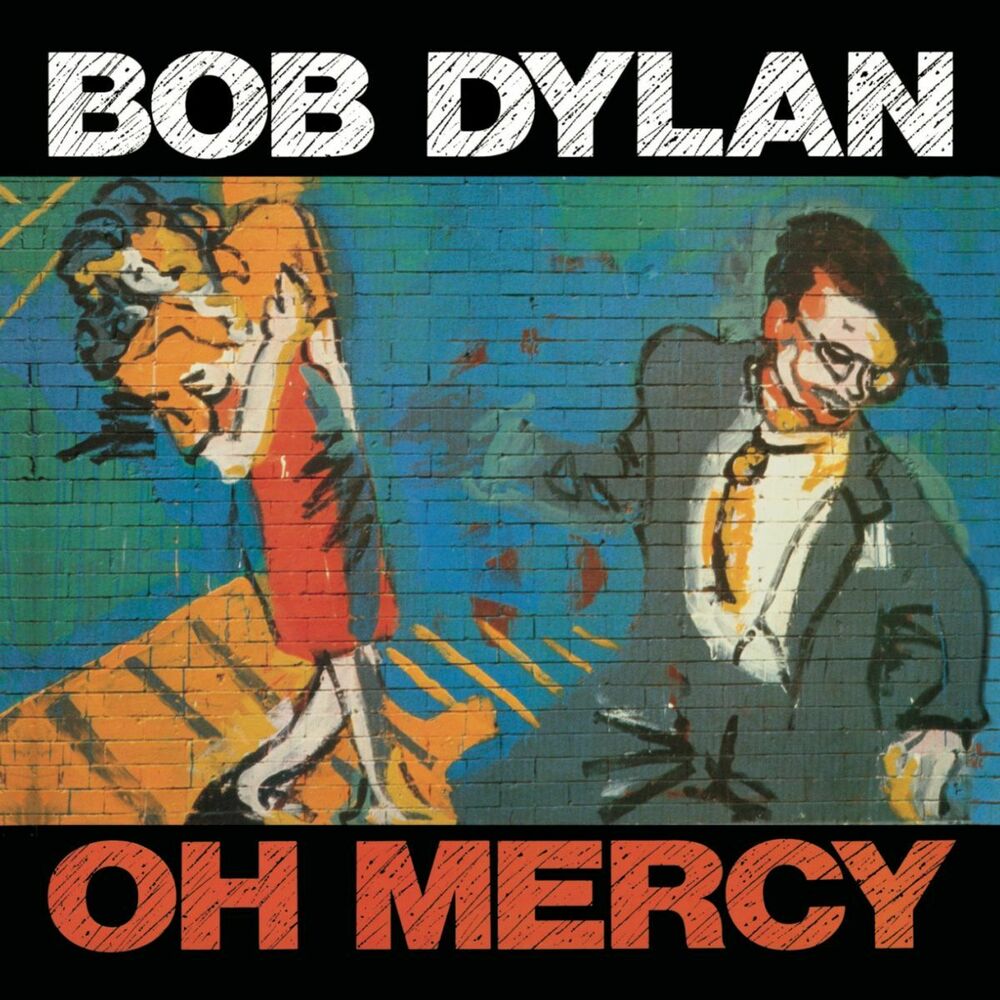
"Oh Mercy" is Bob Dylan's twenty-sixth studio album, released in 1989 and produced by Daniel Lanois. It was seen as a "renaissance" for Dylan, with a mysterious, dark sound designed for nighttime listening. The recording process had a "two guys on a back porch" vibe, creating a magical quality.
Meanings
While specific lyrical themes or the meaning behind the title are not detailed, critics noted Bob Dylan rediscovered his flair with words on "Oh Mercy". The album's sound was intentionally mysterious and dark, designed for nighttime listening.
Why it's rated so high
Critics hailed "Oh Mercy" as a triumph and a comeback for Dylan after a string of poorly reviewed albums. It received strong critical consensus, ranking highly in various polls, and its production by Daniel Lanois was widely praised. The album is considered a modest commercial success and is listed among the greatest albums of the 1980s.
Career and historical context
Released in 1989, "Oh Mercy" marked a significant turning point for Bob Dylan, following a period of disappointing sales and critical reception. It gave him his best chart showing in years, reaching number 30 in the US and number 6 in the UK and Norway. This album helped re-establish his critical standing.
Fun facts
Dylan first attempted to record the songs with Ronnie Wood but was dissatisfied.
U2's Bono connected Dylan with producer Daniel Lanois for the album.
Dylan detailed the album's creation in his memoir, "Chronicles: Volume One".
Producer Daniel Lanois said they only recorded at night for a mysterious mood.
Lou Reed selected "Disease of Conceit" as one of his favourite songs of 1989.
Written by AI from the album's and artist's Wikipedia articles and the archive's notes. Double-check anything important.
The full story
Oh Mercy is the twenty-sixth studio album by American singer-songwriter Bob Dylan, released on September 12, 1989, by Columbia Records. Produced by Daniel Lanois, it was hailed by critics as a triumph for Dylan, after a string of poorly reviewed albums. Oh Mercy gave Dylan his best chart showing in years, reaching No. 30 on the Billboard charts in the United States and No. 6 in Norway and the UK.
Background and recording
The composition of the songs at Dylan's home in Malibu and the recording of the album in New Orleans are described by Dylan in detail in the "Oh Mercy" chapter of his memoir Chronicles: Volume One. Engineer Mark Howard noted that Dylan had previously attempted to record the songs with Ronnie Wood but was dissatisfied with the results: "There's a whole version of Oh Mercy that was recorded with Ron Wood already. But I think Dylan had maybe decided he didn't like what had happened". In the spring or summer of 1988, U2 singer Bono put Dylan in touch with producer Daniel Lanois, and the two agreed to work together although the recording sessions would not commence until early 1989. Dylan biographer Clinton Heylin notes that Dylan finished recording the basic tracks for the album on March 29, 1989 but added new vocals (and other overdubs) for almost all the tracks the following month.
In their book Bob Dylan – All the Songs: The Story Behind Every Track, authors Philippe Margotin and Jean-Michel Guesdon call Oh Mercy "a renaissance" for Dylan and write of the recording sessions: "The arrangements are very reminiscent of Yellow Moon by the Neville Brothers, and Dylan eventually got familiar with this particular atmosphere. Lanois claimed Oh Mercy was a record you listen to at night because it was 'designed at night': 'Bob had a rule, we only recorded at night. I think he's right about that: the body is ready to accommodate a certain tempo at nighttime. I think it's something to do with the pushing and pulling of the moon. At nighttime we're ready to be more mysterious and dark. Oh Mercy is about that'. He added that if there was one lesson he learned from Dylan, it was working relentlessly while searching first and foremost for efficiency and speed. And he concluded, 'Oh Mercy was two guys on a back porch, that kind of vibe'. As for the songwriter, he recognized 'There's something magical about this record' and felt sincere admiration for the work of the Canadian producer".
Reception
After disappointing sales with Knocked Out Loaded and Down in the Groove, Oh Mercy was hailed as a comeback. Consensus was strong enough to place Oh Mercy at No. 15 in The Village Voice's Pazz & Jop Critics Poll for 1989. Also in 1989, Oh Mercy was ranked No. 44 on Rolling Stone magazine's list of the 100 greatest albums of the 1980s.
Oh Mercy's production drew praise from a majority of critics. Robert Christgau of The Village Voice wrote, "Daniel Lanois's understated care and easy beat suit [Dylan's] casual ways, and three or four songs might sound like something late at night on the radio, or after the great flood. All are modest and tuneful enough to make you forgive 'Disease of Conceit,' which is neither." But as Heylin notes, "Though many a critic who had despaired at the sound of Dylan's more recent albums enthused about the sound on Oh Mercy, it was evident that rock music's foremost lyric writer had also rediscovered his previous flair with words".
Rock critic Bill Wyman criticized the production but praised the songs. "Taken over by Daniel Lanois, master of a shimmering and distinctive electronically processed guitar sound...[the album] is overdone", writes Wyman. "It's irritating to hear Dylan's songs so manipulated, but there are sufficient nice tracks—"Most of the Time", "Shooting Star", both simple and direct, among them—to make this by far the most coherent and listenable collection of his own songs Dylan has released since Desire".
Though it did not enter Billboard's Top 20, Oh Mercy remained a consistent seller, enough to be considered a modest commercial success.
To celebrate the album's 20th anniversary, Montague Street Journal: The Art of Bob Dylan dedicated roughly half of its debut issue (published in 2009) to a roundtable discussion on Oh Mercy.
It was voted number 438 in Colin Larkin's All Time Top 1000 Albums 3rd Edition (2000). In 2006, Q magazine placed the album at No. 33 in its list of "40 Best Albums of the '80s". During that same year, "Political World" appeared in the film Man of the Year. Michael Azerrad in a Rolling Stone article felt that "it would be unfair to compare Oh Mercy to Dylan's landmark Sixties recordings".
Lou Reed selected "Disease of Conceit" as one of his favorite songs of 1989.
From the Wikipedia article Oh Mercy, available under CC BY-SA 4.0.