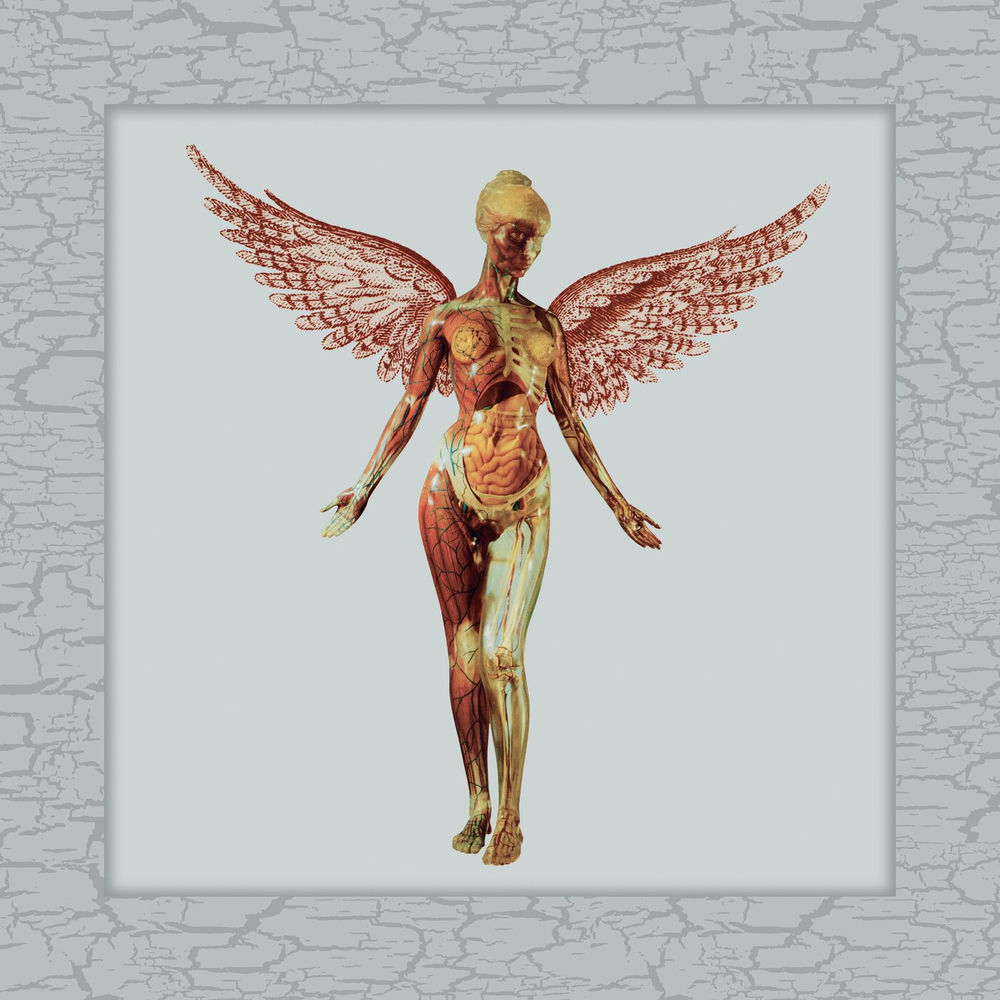
Nirvana and Albini set a two-week deadline for recording. At the suggestion of Albini, who was wary of interference from DGC, Nirvana paid for the sessions with their own money. Studio fees totaled $24,000, while Albini took a flat fee of $100,000. Though he stood to earn about $500,000 from royalties, Albini refused to accept them, as he considered taking royalties immoral and "an insult to the artist".
In February 1993, Nirvana traveled to Pachyderm Studios in Cannon Falls, Minnesota. Albini did not meet them until the first day of recording, though he had spoken to them beforehand about the type of album they wanted to make; he observed that "they wanted to make precisely the sort of record that I'm comfortable doing". The group stayed in a house on the studio grounds. Novoselic compared the isolated conditions to a gulag; he said, "There was snow outside, we couldn't go anywhere. We just worked." For most of the sessions, only the band, Albini, and the technician Bob Weston were present. Nirvana made it clear to DGC and their management company Gold Mountain that they wanted no intrusion, and did not play their work in progress for their A&R representative. Albini instituted a policy of ignoring everyone except for the band members; he said that everyone associated with Nirvana were "the biggest pieces of shit I ever met".
Nirvana arrived at Pachyderm Studios without their equipment and spent much of the first three days waiting for it to arrive by mail. Once recording began, on February 13, work moved quickly. On most days, the group began work around midday, took breaks for lunch and dinner, and worked until midnight. For most songs, Cobain, Novoselic, and Grohl recorded their basic instrumental tracks together as a band. For faster songs, such as "Very Ape" and "Tourette's", the drums were recorded separately in a kitchen for its natural reverb. Albini surrounded Grohl's drum kit with about 30 microphones. Cobain added additional guitar tracks to about half of the songs, then guitar solos, and finally vocals. The band did not discard takes and kept virtually everything they recorded.
Albini saw himself more as an engineer than a producer; despite his personal opinions, he let the band choose takes. He said, "Generally speaking, [Cobain] knows what he thinks is acceptable and what isn't acceptable [...] He can make concrete steps to improve things that he doesn't think are acceptable." Cobain reportedly recorded all his vocal tracks in six hours. Albini said that Cobain, who had struggled with drug addiction, was focused and sober in the studio.
Recording was completed in six days; Cobain had anticipated disagreements with Albini, whom he had heard "was supposedly this sexist jerk", but called the process "the easiest recording we've ever done, hands down". The only disruption occurred a week into the sessions, when Love arrived because she missed Cobain. Weston's girlfriend, the studio's chef, said that Love created tension by criticizing Cobain's work and was confrontational with everyone present.
The initial mix of In Utero took five days. This was quick by Nirvana's standards, but not for Albini, who was used to mixing albums in a day or two. When work on a mix was not producing desired results, the band and Albini took the rest of the day off to watch nature videos, set things on fire and make prank calls. The sessions were completed on February 26. "I Hate Myself and Want to Die" was omitted from the album as Cobain felt it already contained too many "noise" songs.
Production and mixing dispute
After the recording sessions ended, Nirvana sent unmastered tapes of the album to several individuals, including Gold Mountain and Ed Rosenblatt, the president of DGC's parent company, Geffen Records. When asked about the feedback he received, Cobain told Michael Azerrad, "The grown-ups don't like it." He said he was told his songwriting was "not up to par", the sound was "unlistenable", and that there was …