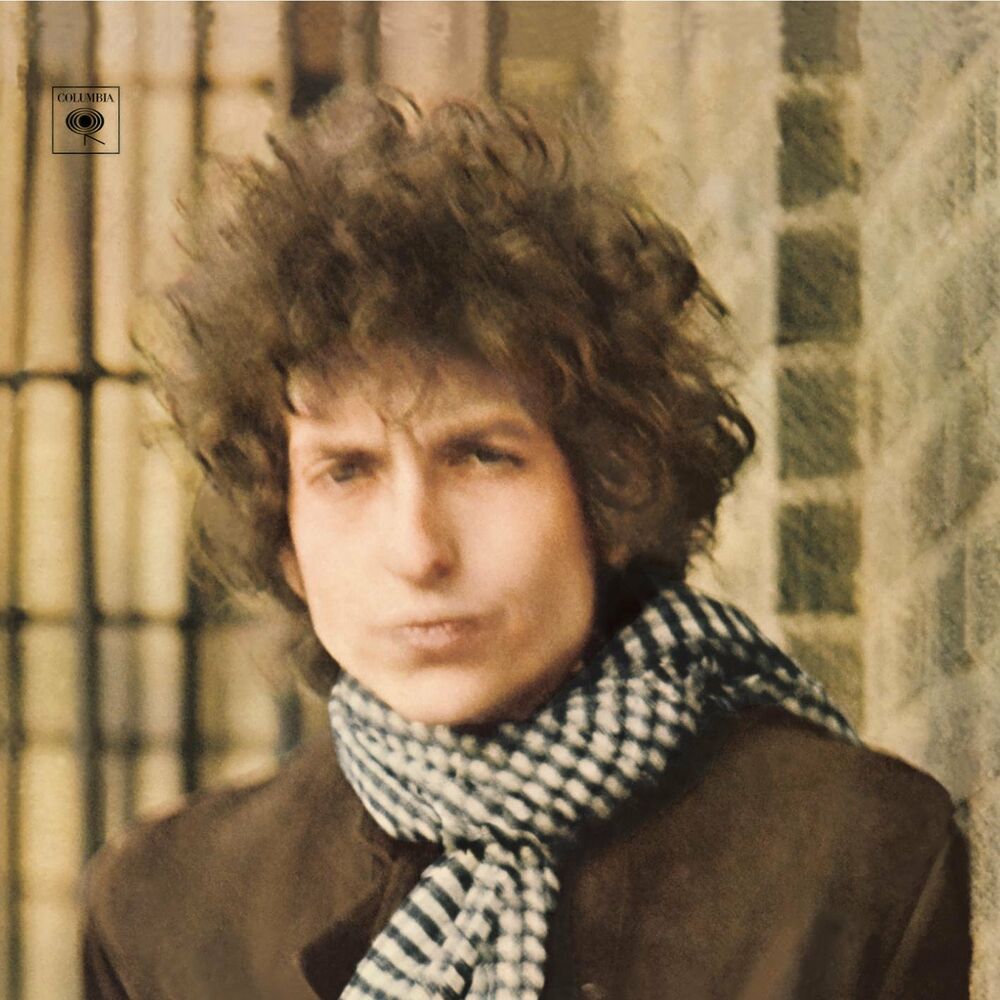
About the artist
Bob Dylan is an American singer-songwriter, considered one of the greatest of all time, who significantly shaped popular culture over a 69-year career. He infused early 1960s folk music with sophisticated lyrical techniques, drawing from classic literature, poetry, and political, social, and philosophical influences.
About the album
"Blonde on Blonde" is Bob Dylan's seventh studio album, a double LP released in 1966, known for its "wild mercury sound". It was largely recorded in Nashville with top session musicians after initial New York sessions proved difficult, blending their expertise with Dylan's modernist literary lyrics.
Meanings
The album's title, "Blonde on Blonde", has several proposed meanings, from references to people like Edie Sedgwick or Brian Jones, to a tribute to "Brecht on Brecht", or even two "blonde" guitars. Lyrically, it explores themes of illusion, delusion, entrapment, and the human condition, blending wit with a sense of understanding and compassion.
Why it's rated so high
Critics consistently rank "Blonde on Blonde" as one of the greatest albums ever, praising its eloquent writing, complex ideas, and unique blend of visionary and colloquial lyrics. It was one of rock's first double albums and is seen as completing Dylan's influential mid-1960s rock trilogy.
Career and historical context
This album completed a trilogy of electric rock albums for Dylan, following "Bringing It All Back Home" and "Highway 61 Revisited" from 1965. It was released just before his motorcycle accident in 1966, which led to a seven-year touring hiatus.
Fun facts
- It was one of the first double albums in rock music, released just one week before The Mothers of Invention's "Freak Out!".
- Dylan described the sound he achieved on the album as "that thin, that wild mercury sound. It's metallic and bright gold."
- Only one track from the initial New York sessions, "One of Us Must Know (Sooner or Later)", made it onto the final album.
- The cover photo shows Dylan wearing the same suede jacket he would wear on his next two albums, "John Wesley Harding" and "Nashville Skyline".
- The album's release date was long thought to be May 16, 1966, but was later confirmed as June 20, 1966.