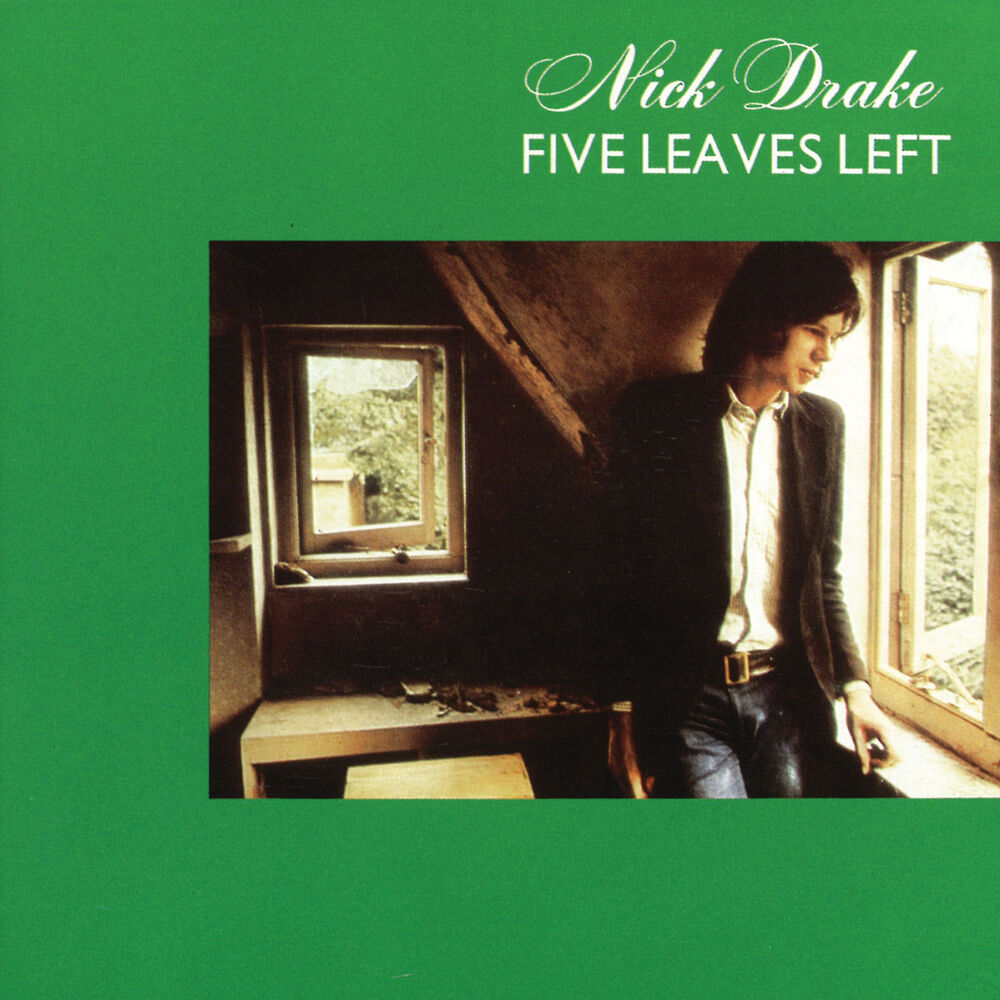
Reviews of the album in the months following its release were mixed. The brief review in Melody Maker discussed the origins of the album's title and added simply, "It sounds poetic and so does composer, singer and guitarist Nick Drake. His debut album for Island is interesting." Rating the album three out of four stars, Disc and Music Echo also described the album as "interesting" and said, "His guitar work is soft, gentle and tuneful; his voice highly attractive, husky and bluesy—but his songs uncertain and indirect." It concluded, "It's more a restful album than a stimulating one." In October 1969 Gordon Coxhill of the NME expressed his disappointment with the record, saying, "I'm sorry I can't be more enthusiastic because he obviously has a not inconsiderable amount of talent, but there is not nearly enough variety on this debut LP to make it entertaining. His voice reminds me very much of Peter Sarstedt, but his songs lack Sarstedt's penetration and arresting quality." A review the same month by Maurice Rosenbaum in The Daily Telegraph was more positive, describing the record as an "excellent LP of [Drake's] own songs", and observing, "His voice is slow, reflective and warm, and although the verse structure tends to melodic monotony, there is no mistaking the quality and the promise of 'River Man', 'The Thoughts of Mary Jane', 'Man in a Shed' and other items on this disc".
Though Drake had sold relatively few albums by his death in 1974, his work began to attract critical and commercial attention by the end of the 1980s. A 1989 retrospective assessment of Five Leaves Left by Len Brown in NME awarded the album 9/10 and stated that it "remains a masterpiece of English melancholy; a moving work that first revealed Drake's remarkable talent to communicate his fears of passing light and life, with simple beauty; his skill to charge listeners with emotions equal to his own". Including it in a 1999 list of twelve of "the best folk albums of all time", Q in 1999 called it "the pinnacle of a melancholy canon of work so distinctive that admirers can only speculate miserably on what might have been". A 2007 review by Chris Jones for the BBC said, "it's hard not to be still floored by the beauty of [Drake's] first album" and lauded its "unique vision" mixing elements of English folk music and jazz.
The release of the remastered version in 2000 resulted in further positive retrospective reviews from music magazines. John Harris wrote in Q that "the record's abiding impression" was of "a hesitant, slightly troubled soul peering at the straight world and wondering what will become of both him and the people he beholds". In Uncut Ian MacDonald said, "A fine debut, Five Leaves Left would have been stronger still had 'I Was Made to Love Magic' and 'Time of No Reply' been used instead of 'Thoughts of Mary Jane' and 'Man in a Shed' ... This aside, the album remains singular – cool and shady amid the celebratory sunshine of the late Sixties." Alternative Press called it "[one] of the most beautiful and melancholy albums ever recorded".
Ned Raggett of AllMusic wrote: "[Drake's performance] steered a careful balance between too-easy accessibility and maudlin self-reflection, combining the best of both worlds while avoiding the pitfalls on either side. The result was a fantastic debut appearance, and if the cult of Drake consistently reads more into his work than is perhaps deserved, Five Leaves Left is still a most successful effort."
Accolades
Five Leaves Left has regularly appeared on lists of the best albums of all time. The album was ranked number 283 on Rolling Stone magazine's original 2003 list of "The 500 Greatest Albums of All Time". NME ranked it at number 258 on their 2013 list of "NME's The 500 Greatest Albums of All Time", noting that "his maudlin songs are brought vividly to life with orchestration from Fairport Convention, Pentangle and arranger Robert Kirby". A list of the "200 Greatest Albums of All Time" in Uncut in 2016 …