About the artist
Brian Eno is an English musician, record producer, and artist, celebrated for his pioneering contributions to ambient, electronic, and generative music. Describing himself as a "non-musician" uninterested in virtuosity, he advocates for using the studio as a compositional tool, making him one of popular music's most influential figures.
About the album
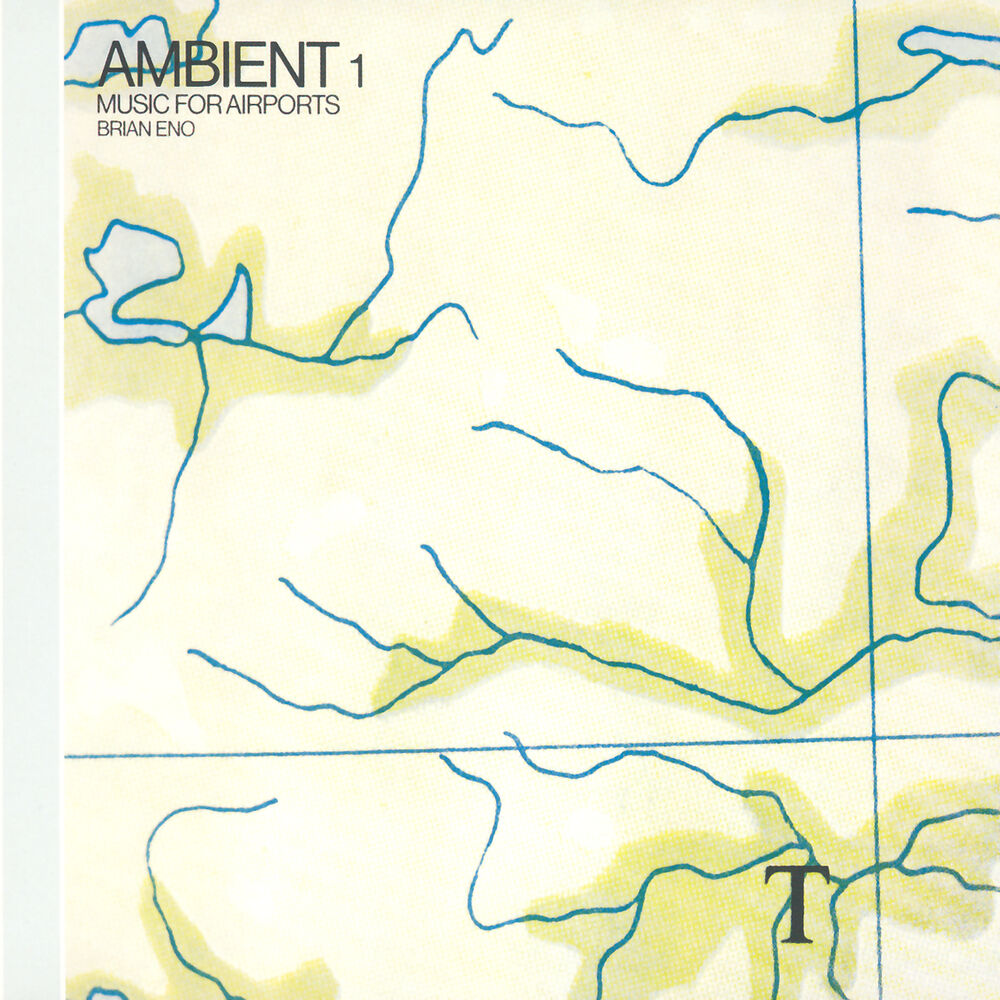
"Ambient 1: Music For Airports" is Brian Eno's sixth studio album, released in 1979, and the first explicitly labelled ambient. It features four compositions created from layered tape loops of keyboard instruments and voices, designed to be continuously looped as a soothing sound installation in airport terminals.
Meanings
Eno coined "ambient music" to describe compositions intended to "induce calm and a space to think," being "as ignorable as it is interesting." He conceived it as an alternative to Muzak, aiming to defuse anxious atmospheres and even to help listeners resign themselves to the possibility of death.
Why it's rated so high
Initially dismissed by some critics, the album later became a seminal and influential release, defining the ambient genre. Rolling Stone credited it with defining the genre, and Pitchfork ranked it the greatest ambient album of all time, noting its ability to rearrange the air in a room.
Career and historical context
This album followed Eno's early solo works and collaborations, popularising the term "ambient music" which he had coined earlier. Its concept arose from his annoyance at Cologne Bonn Airport's atmosphere and an earlier experience recovering from a car accident, where music blended with rain.
Fun facts
- Eno conceived the album after a frustrating wait at Cologne Bonn Airport.
- The idea for ambient music was partly inspired by a car accident recovery, where he couldn't adjust a quiet harp album.
- He began work on the album while producing David Bowie's "Low" in Berlin.
- The album features contributions from guitarist Fred Frith and pianist Robert Wyatt.
- Eno described the album as "music to resign you to the possibility of death."