About the artist
The Rolling Stones are an iconic English rock band formed in 1962, dubbed "the Greatest Rock and Roll Band in the World". Rooted in blues, they pioneered a gritty, rhythmically driven sound, becoming a cornerstone of the British Invasion and enduring figures in rock.
About the album
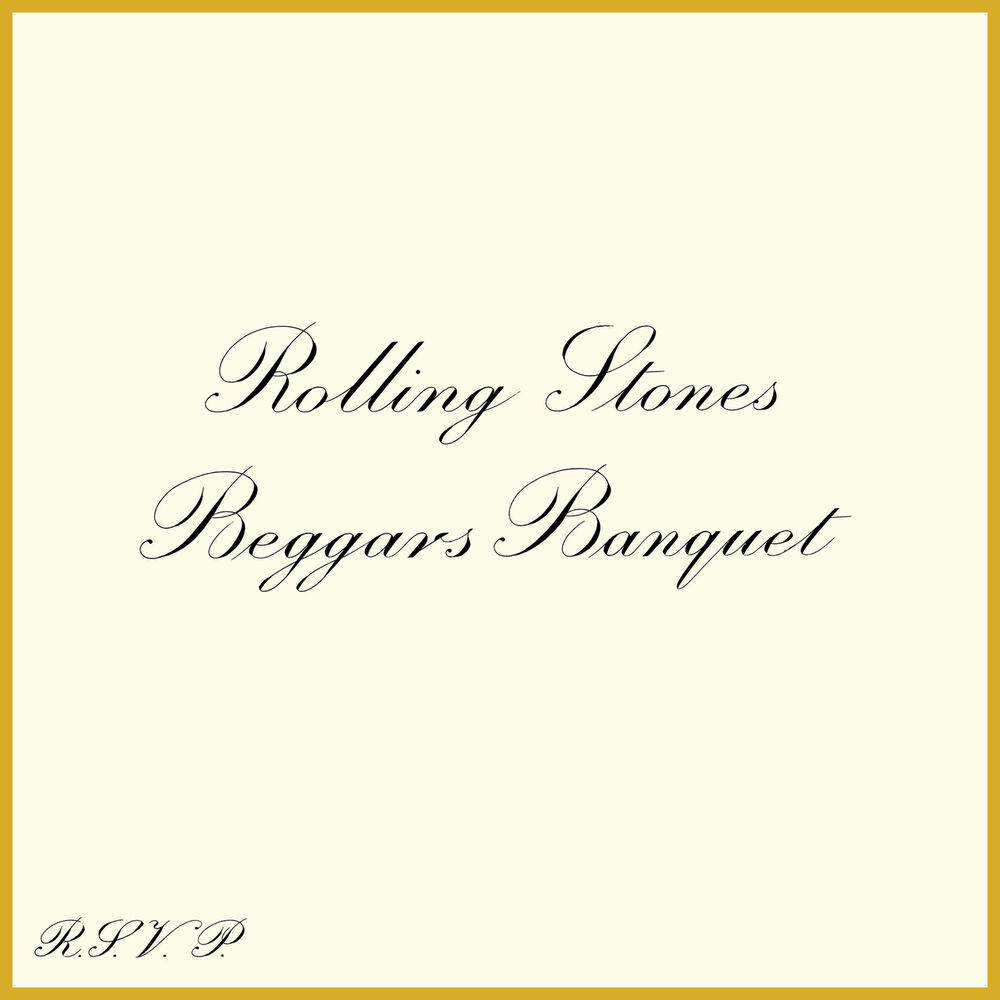
Beggars Banquet, released in 1968, marked a significant shift for the Stones, returning to their blues rock roots with added folk and country influences. Produced by Jimmy Miller, it features experimental instrumentation, incorporating Latin, South Asian, and African rhythms.
Meanings
The album's original cover, depicting a graffiti-covered bathroom wall, was rejected by the record company, causing release delays. Lyrically, songs like "Street Fighting Man" sparked debate, and "Sympathy for the Devil" contributed to the band's image as "Left Bank heroes".
Why it's rated so high
Critics hailed Beggars Banquet as a triumphant return to form, capturing the convulsive spirit of 1968. It is widely considered one of the greatest albums of all time, inducted into the Grammy Hall of Fame, and launched a period of the band's finest records.
Career and historical context
This 1968 album followed the band's psychedelic explorations, signalling a return to their blues-rock foundations. It was the last Rolling Stones album released during Brian Jones's lifetime, reflecting his declining involvement due to drug use.
Fun facts
- The album's original cover art, featuring a graffiti-covered bathroom wall, was rejected by the record company.
- The basic track for "Street Fighting Man" was recorded on an early Philips cassette deck.
- Paul McCartney reportedly ruined the album's completion party by playing an acetate copy of "Hey Jude".
- For over thirty years, the album was heard at a slightly slower speed than it was originally recorded.
- Brian Jones contributed to eight tracks, including sitar on "Street Fighting Man" and slide guitar on "No Expectations".