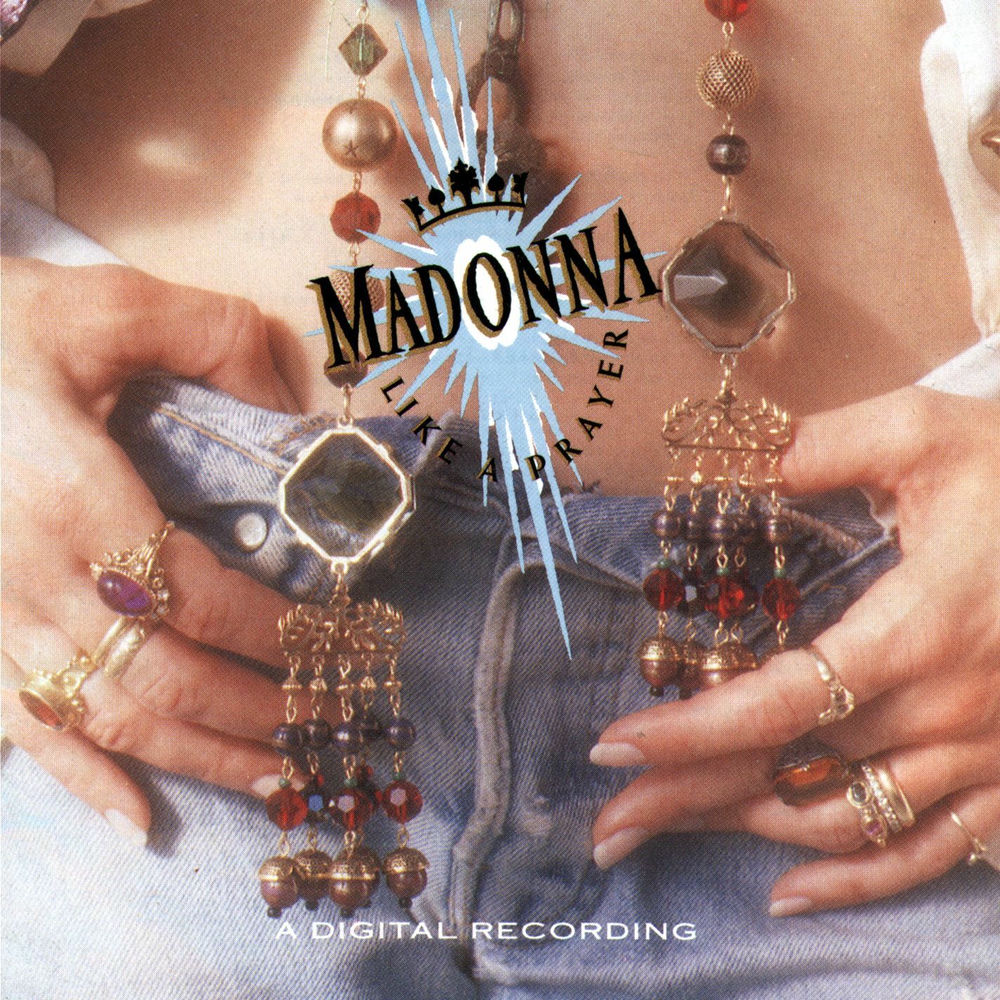
According to Entertainment Weekly's Nicholas Fonseca, Like a Prayer marked an "official turning point" in Madonna's career, as it earned her "a long-awaited, substantive dose of critical acclaim". Similarly, the BBC's Mark Savage noted that it was the moment when critics first began to consider Madonna "an artist, rather than a mere pop singer", and VH1's Christopher Rosa said the album helped the singer evolve from "bubbly pop act to a serious artist", earning universal acclaim for arguably the first time in her career. According to author Julia Holt, Like a Prayer "made [Madonna's] critics eat their words". Kenneth G. Bielen, in The Lyrics of Civility: Biblical Images and Popular Music Lyrics in American Culture, wrote: "Five years earlier, [Madonna] was a dance-pop 'Boy-Toy'. With Like a Prayer, she proved she was an artist who could think with more than her body". For Annie Zaleski, it is the singer's "first truly substantial" album that separated her "chirpy club-kid days" from the "mature sounds and themes" she would go on to explore in the 1990s. She concluded that, "the album's themes of religious and sexual oppression still feel all too relevant. Madonna dictated pop's future direction while also being firmly in control of her own fortunes". In the same vein, Thomas Harrison documented that Madonna "pushed boundaries" by addressing "uncomfortable song topics" in Like a Prayer.
Writing for The Guardian, Lucy O'Brien expressed that, by "dismantling old Catholic patriarchal messages [Madonna] created a concept album, moving from pop stardom to artistry". To the staff of The Advocate, "True Blue started changing minds about Madonna, but [Like a Prayer] confirmed [she] was here to stay". Pitchfork's Cameron Cook wrote that Madonna "reshaped the role of "pop star"" with Like a Prayer, also adding that it is the record where she "not only earned her crown as the Queen of Pop, but rightfully established herself as the Mother of Reinvention". Sal Cinquemani concluded: "By the late '80s, Madonna was already one of the biggest pop stars of all time, but with Like a Prayer, she became one of the most important". From NPR, Laura Rydell said the album led the way for a new generation of female pop singers to "express themselves", to which Liza Lentino from Spin added that, "[Madonna] lit a blowtorch and poured taboo-based gasoline on restrictions for women in music". VH1's Christopher Rossa held that Like a Prayer was the first record to "evoke what female artists explore today: sexuality, religion, gender equality and independence".
Writing for NME, El Hunt noted influence of Like a Prayer in the work of contemporary female artists such as Christine and the Queens, Rihanna, and Ariana Grande. Singer Taylor Swift stated that with the album, Madonna made "the most incredible, bold, risky, decisions as far as pop music goes", calling the title track "legitimately one of the greatest pop songs of all time". Rossa went on to say that, "[Like a Prayer] was pioneering, and no woman in music has come close to doing something as groundbreaking", and will always be "more influential" than other "iconic" female albums like Blackout (2007), The Fame Monster (2009), and Beyoncé (2013). Nick Levine added:
"[Like a Prayer] is a rare beast: an iconic pop album that retains its ability to surprise you, using richly evocative songcraft to explore deeply personal themes—sometimes spiritual, sometimes socially conscious—from a woman's perspective. With it, Madonna had once again remodeled people's expectations of what a female pop singer could achieve. Decades before Beyoncé's Lemonade and Ariana Grande's Thank U, Next, it laid the foundation for the deeply personal pop blockbuster, auteured by a strong woman at the peak of her creative powers".
Like a Prayer is often referred to as one of the greatest albums of the 1980s and of all time. In 2003, Rolling Stone named it the 237th greatest of all time; nine years later, it dropped to the 239th …