Sign in to mark it as listened, rate it and keep notes.
About the artist
Shawn Carter, known as Jay-Z, is an American rapper, businessman, and record executive from New York City. Rooted in East Coast hip-hop, he is celebrated for his complex lyricism, often employing double entendres and a rags-to-riches narrative. Billboard and Vibe ranked him the greatest rapper of all time, and he is the wealthiest music artist in history.
About the album
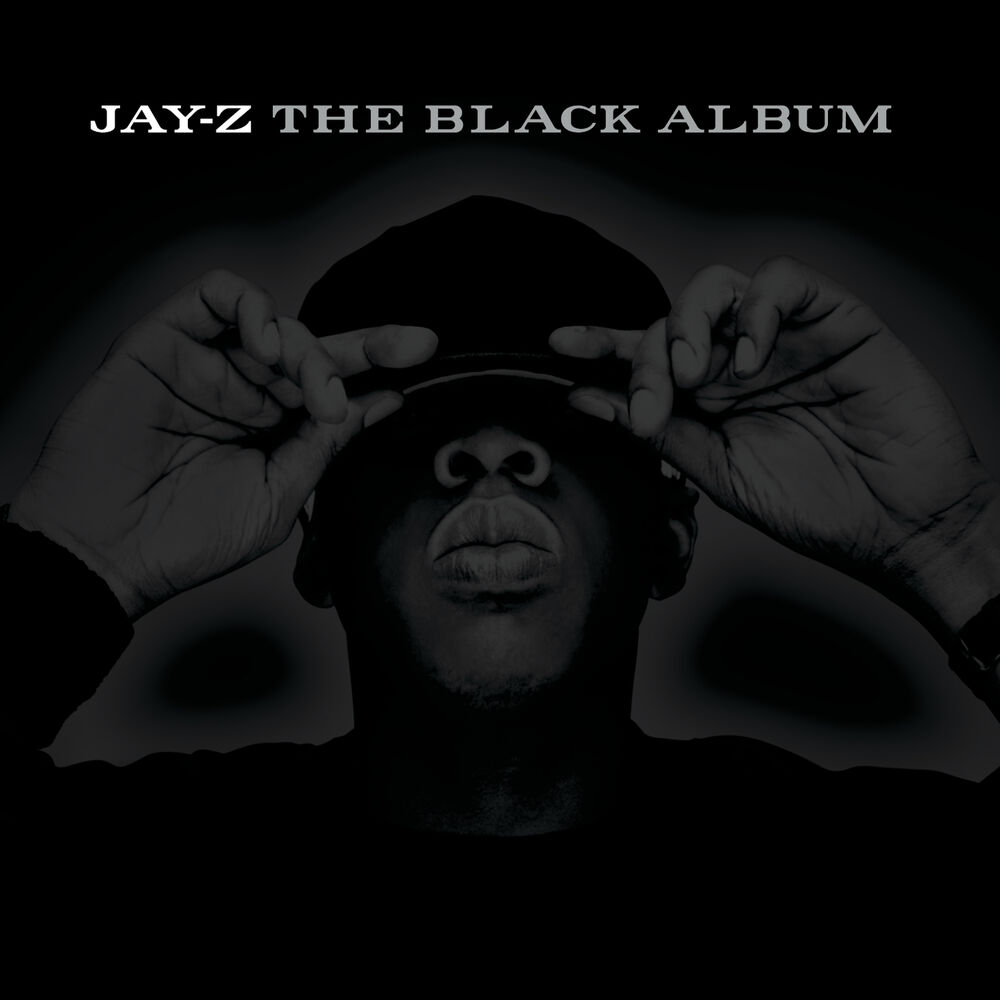
Released in 2003, "The Black Album" is Jay-Z's eighth studio record, initially advertised as his final album before retirement. It features a unique production approach, with a different elite producer, including Kanye West and Timbaland, crafting each track. The album blends elements of East Coast, hardcore, and pop rap.
Meanings
The album's central theme explores Jay-Z's supposed retirement from music, a concept woven throughout the lyrics. It also serves as an autobiographical reflection, celebrating his journey and success, which some critics later found prophetic given his continued entrepreneurial achievements.
Why it's rated so high
The album received universal acclaim from critics, praised for Jay-Z's uniquely deft rapping style and the top-shelf production. It debuted at number one on the US Billboard 200 and became his top-selling record of the 2000s. "The Black Album" was nominated for a Grammy Award and is ranked highly on Rolling Stone's 500 Greatest Albums of All Time.
Career and historical context
Released in 2003, "The Black Album" marked a significant point in Jay-Z's career as his supposed farewell to recording before he resumed in 2005. At this time, he was also expanding his business empire, co-founding Rocawear and the 40/40 Club. He would become president and CEO of Def Jam Recordings the following year.
Fun facts
It was advertised as Jay-Z's final album before his retirement.
Jay-Z enlisted a different producer for each song on the album.
The album blocked two other major albums from the number one spot.
It inspired Danger Mouse's controversial "The Grey Album" mashup.
Pharrell Williams made an uncredited guest appearance on the album.
Written by AI from the album's and artist's Wikipedia articles and the archive's notes. Double-check anything important.
The full story
The Black Album is the eighth studio album by American rapper Jay-Z, released on November 14, 2003, through Roc-A-Fella Records and The Island Def Jam Music Group. It was advertised as his final album before retiring, which is also a recurring theme throughout the songs, although Jay-Z resumed his recording career in 2005. For the album, Jay-Z wanted to enlist a different producer for each song, working with Just Blaze, Kanye West, the Neptunes, Eminem, DJ Quik, Timbaland, 9th Wonder and Rick Rubin, among others. The album also features an uncredited guest appearance by Pharrell Williams.
The Black Album was promoted with a retirement tour by Jay-Z. It was also supported by three singles: "99 Problems", also the Billboard top-ten hits "Change Clothes" and "Dirt off Your Shoulder". The album received widespread acclaim from music critics and was a massive commercial success. It debuted at number one on the US Billboard 200, selling 463,000 copies in its first week. It became Jay-Z's top selling record of the 2000s decade, and was certified quadruple platinum by the Recording Industry Association of America (RIAA) in 2023. The songs "Encore", "Dirt off Your Shoulder", and "99 Problems" are all on the mashup EP, Collision Course with Linkin Park. In 2004, American musician Danger Mouse released The Grey Album, a mashup/remix album which features the vocals of The Black Album and the instrumental of The Beatles' self-titled album, colloquially known as the "White Album", which became as controversial as the original album.
Critical reception
According to the review aggregator Metacritic, The Black Album received "universal acclaim" based on a weighted average score of 84 out of 100 from 19 critic scores. AllMusic's John Bush claimed Jay-Z was retiring at his peak with the album. Vibe magazine said it was remarkable as an apotheosis of his genuinely thoughtful songwriting and lyrics "delivered with transcendent skill", while Steve Jones from USA Today said even with "top-shelf work" from elite producers, the album was elevated by Jay-Z's uniquely deft and diverse rapping style. Writing for The A.V. Club, Nathan Rabin felt Jay-Z returned to "brevity and consistency" on an album that demonstrated his lyrical abilities and, more importantly, hip hop's best producers. Jon Caramanica wrote in The Rolling Stone Album Guide (2004) that The Black Album was both "old-school and utterly modern", showcasing Jay-Z "at the top of his game, able to reinvent himself as a rap classicist at the right time, as if to cement his place in hip-hop's legacy for generations to come".
Some reviewers were less enthusiastic. In Rolling Stone, Touré determined that The Black Album was slightly inferior to Jay-Z's best records, namely Reasonable Doubt (1996) and The Blueprint (2001). Dave Simpson from The Guardian was more critical, dismissing the music as "an aural equivalent of that old American favourite, the schmaltzy biopic." In The Village Voice, Robert Christgau gave the record a back-handed compliment: "[Jay-Z] raps like a legend in his own time—namely, Elvis in Vegas". Nonetheless, in a retrospective review in 2011, Christgau stated that he was impressed by the stretch of songs from "Encore" to "Justify My Thug" and thought "the fanfares, ovations, maternal reminiscences, and vamp-till-ready shout-outs were overblown at best" at the time of its release, but they came to sound "prophetic" because of the entrepreneurial success and fame he continued to achieve afterwards. "He's got a right to celebrate his autobiography in rhyme because he's on track to become a personage who dwarfs any mere rapper," Christgau wrote, "and not only can he hire the best help dark green can buy, he can make it sing."
In 2005, The Black Album was nominated for a Grammy Award for Best Rap Album, losing to Kanye West's The College Dropout at the 47th Grammy Awards. It was ranked number 349 on Rolling Stone's 2012 edition of The 500 Greatest Albums of All Time list, and rose to number 155 on the list's 2020 edition. Pitchfork ranked The Black Album at number 90 on its decade-end list of the top 200 albums from the 2000s, while Slant Magazine ranked it seventh best on a similar list. In 2012, Complex named it one of the "classic" records of the previous decade.
Commercial performance
The Black Album debuted at number one on the US Billboard 200 chart, selling 463,000 copies in its first week, according to Nielsen Soundscan. This became Jay-Z's sixth US number one album. Another note on the alter was that the Black Album also blocked the soundtrack to the Tupac Shakur documentary, Tupac: Resurrection, and the G-Unit debut album, Beg for Mercy, from the top position. Both albums charted at numbers two and three respectively. In its second week, the album dropped to number four on the chart, selling an additional 288,000 copies. In its third week, the album climbed to number one on the chart, selling 288,000 more copies. In its fourth week, the album dropped to number ten on the chart, selling 124,000 copies. On August 16, 2005, the album was certified RIAA Certification triple platinum by the Recording Industry Association of America (RIAA) for shipments of over three million copies. As of July 2013, the album had sold 3,516,000 copies in the US. According to Billboard, it became Jay-Z's top selling record of the 2000s and the 136th highest selling record of the decade in the United States.
Three singles were released from the album and appeared on the Billboard charts. "Change Clothes" and "Dirt off Your Shoulder" both reached the top 10 of the Hot 100, while "99 Problems" peaked at number 30.